
Engineering Notes
Edge AI & Local LLM Compute
Where inference should run, how much VRAM it needs, and which GPU form factor survives a sealed industrial enclosure.
12 min read
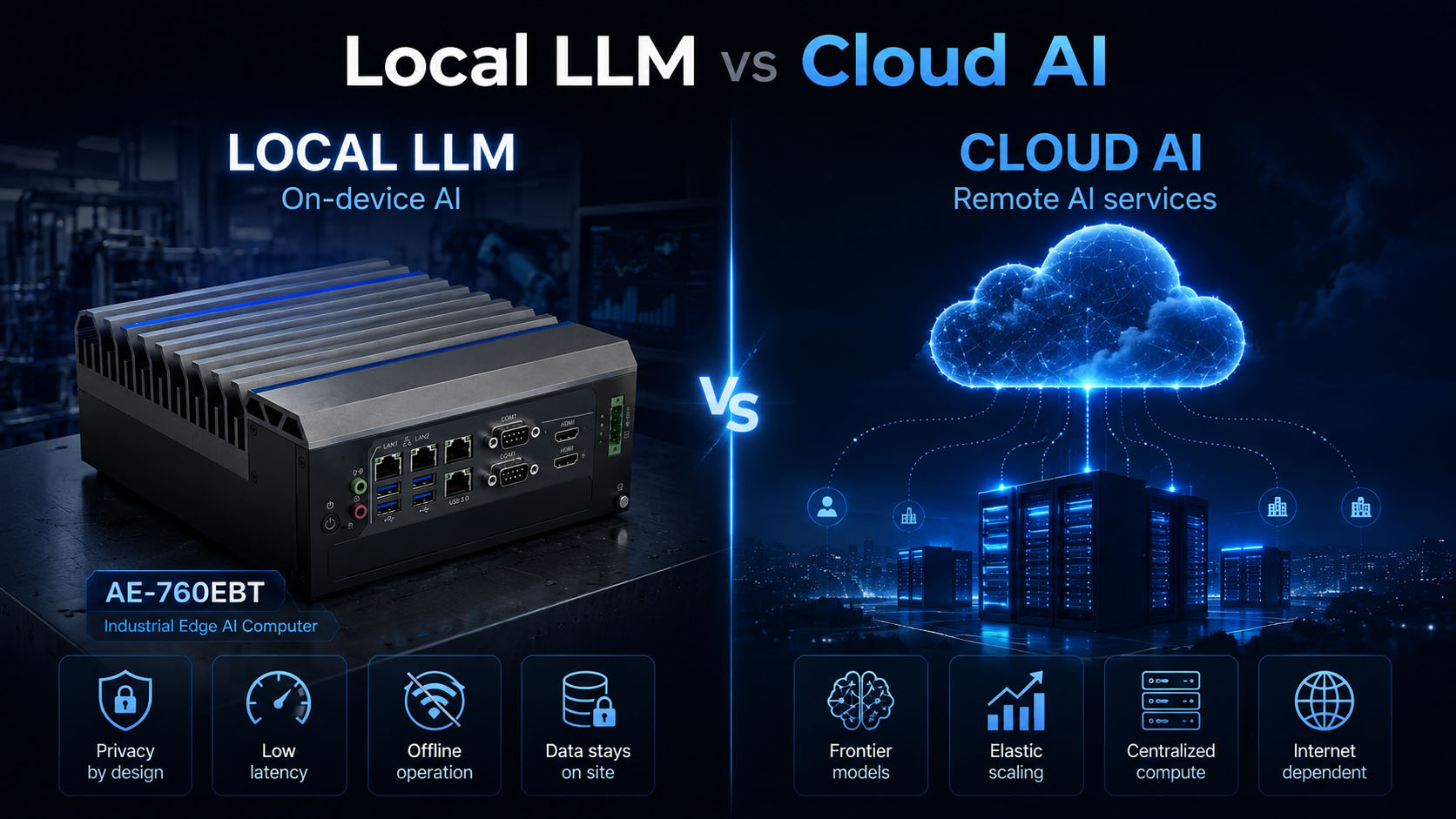
Local LLM vs Cloud AI: When Does Edge Inference Make Sense?
Placement is a spectrum, not a binary — latency and jitter, privacy vs security, data sovereignty, video bandwidth, offline operation, CAPEX vs OPEX, and the operations cost nobody budgets for.
11 min read
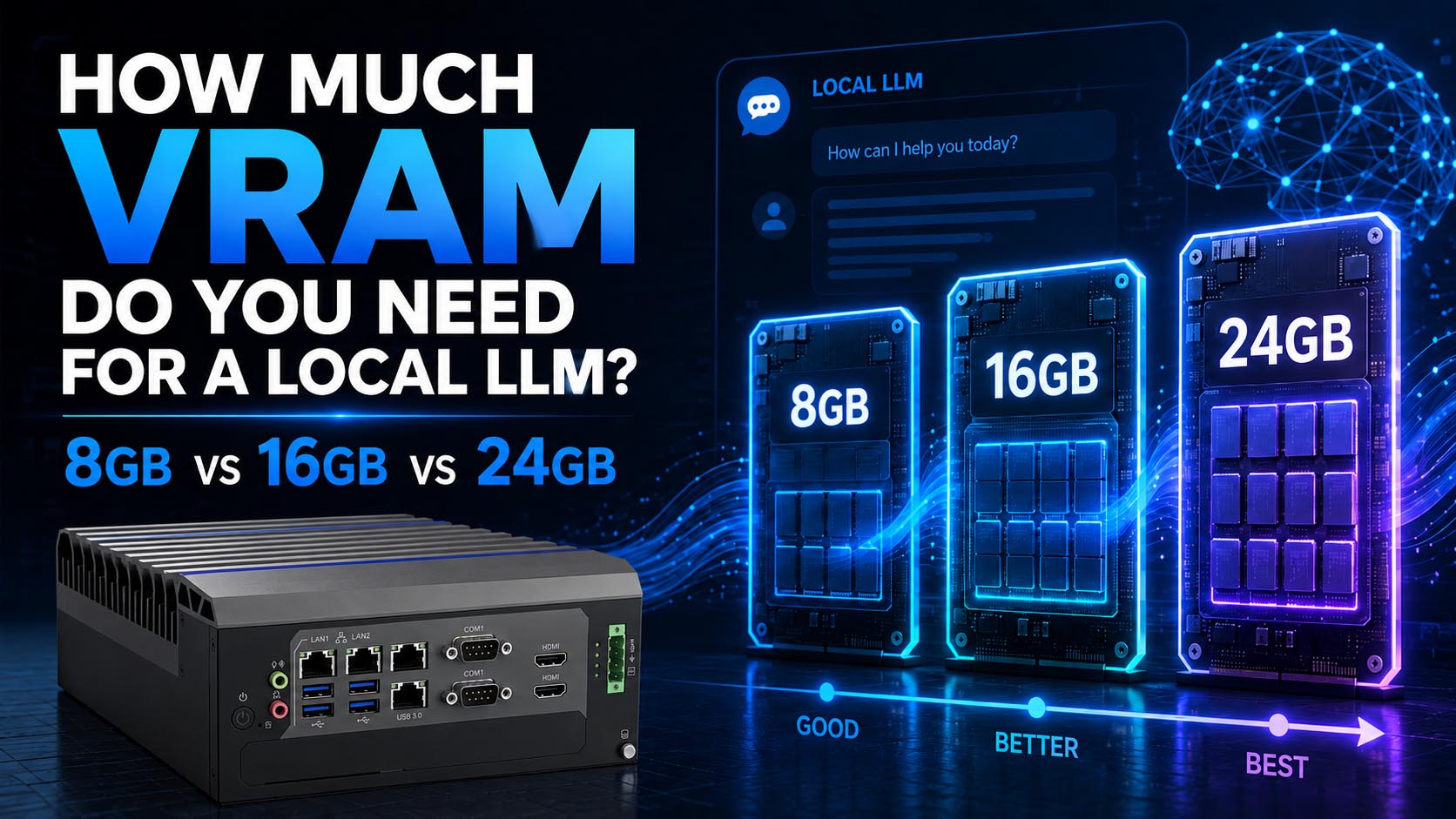
How Much VRAM for a Local LLM? 8GB vs 16GB vs 24GB
Weights are only the first line of the budget. KV cache, context length, quantization, CPU offload and OS reservation decide the tier — plus what changes when the box runs unattended in a cabinet.
11 min read
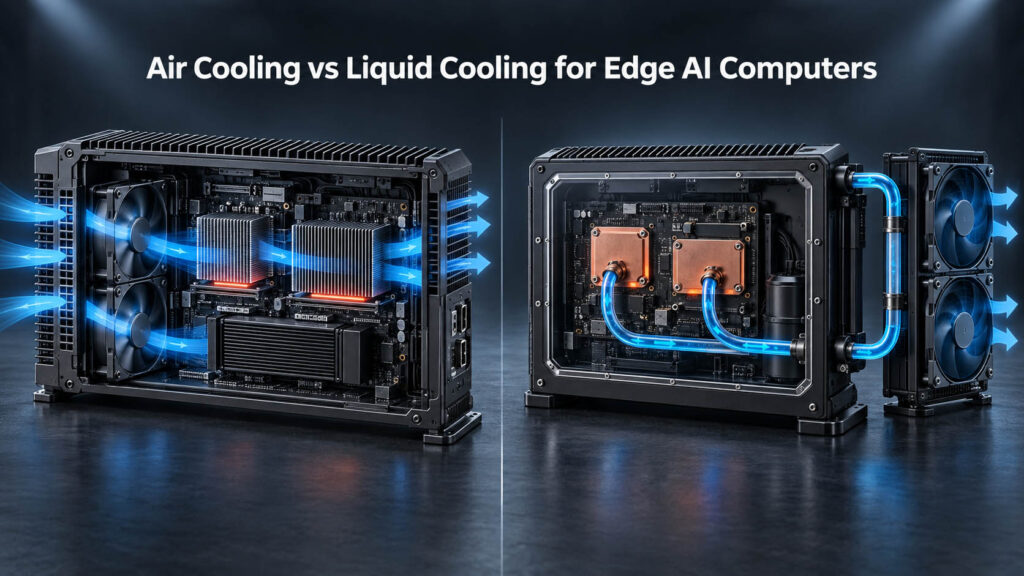
Air Cooling vs Liquid Cooling for Edge AI
Choose by sustained heat, enclosure airflow and where heat canactually be rejected-not by GPU wattage alone. Include smaintenance risks, thermal validation and AE-760EBT vs AE-960EBT.
11 min read
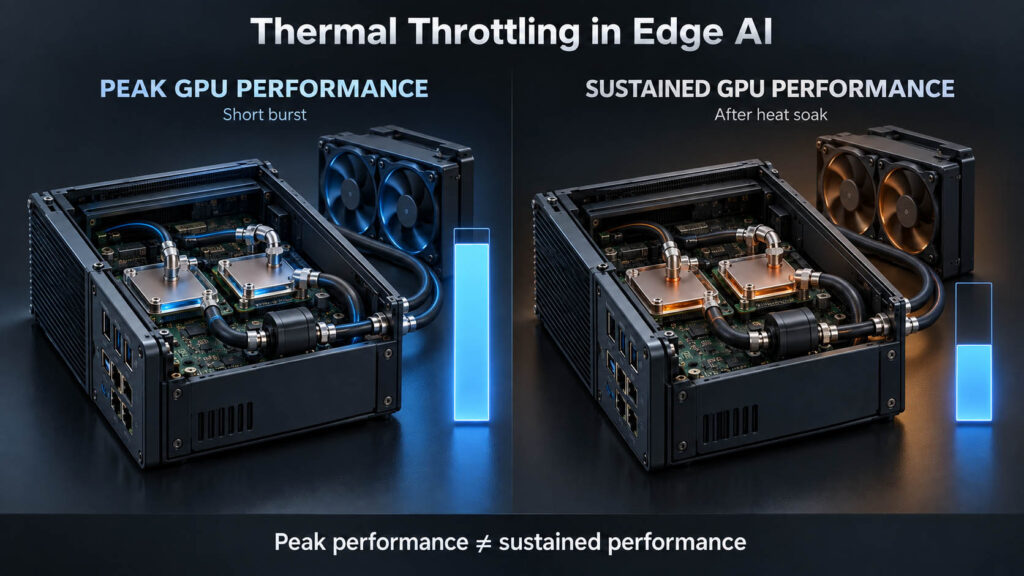
Thermal Throttling in Edge AI: Peak vs Sustained GPU Performance
A short benchmark shows what a GPU can reach. Sustained validation reveals what the complete system maintains after heatsoak-using synchronized clocks, power, temperature, FPS, latencyand dropped-frame telemetry.
12 min read
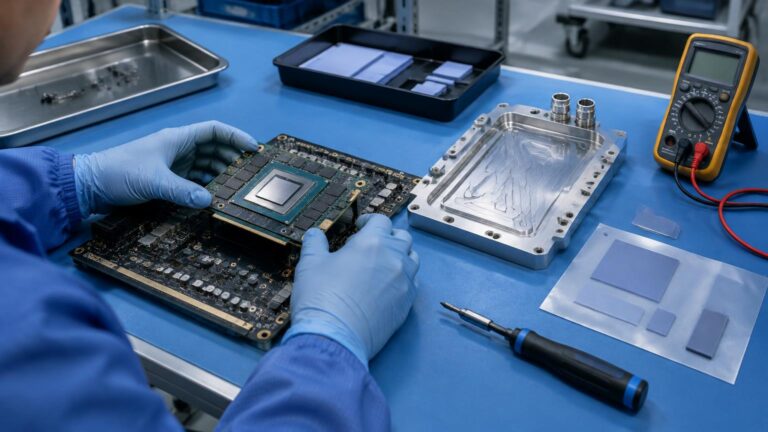
MXM GPU Compatibility: Power, BIOS, Cold Plate & Thermal Validation
An MXM GPU that fits the slot is not compatible yet. How power delivery, BIOS/VBIOS, cold-plate contact and sustained workload validation decide an industrial edge AI build.
10 min read
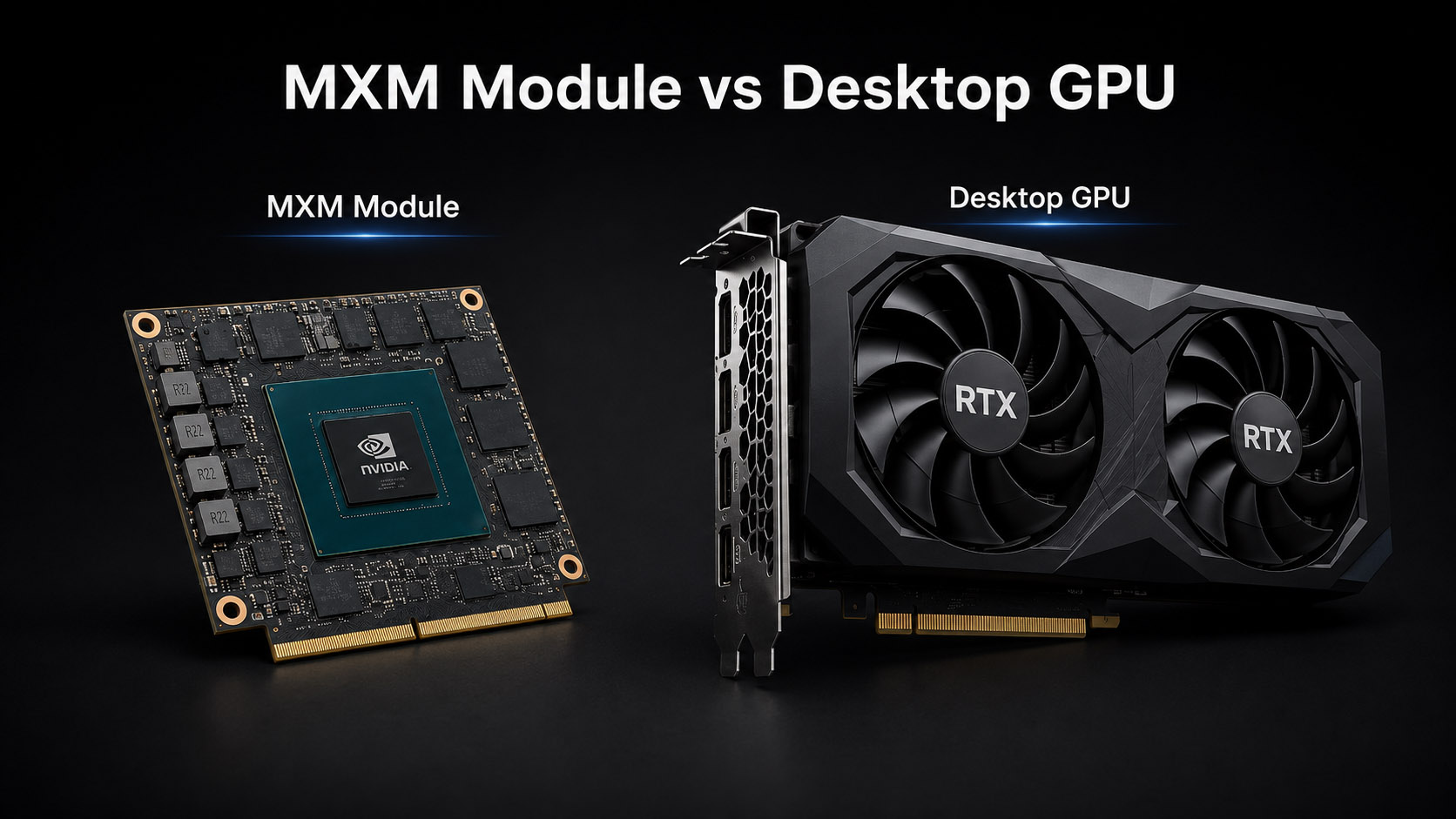
MXM vs Desktop GPU for Edge AI Computers
Same GPU architecture, two system-design problems. Enclosure, thermal path, power delivery, field service and lifecycle decide the form factor — not the benchmark score.
12 min read
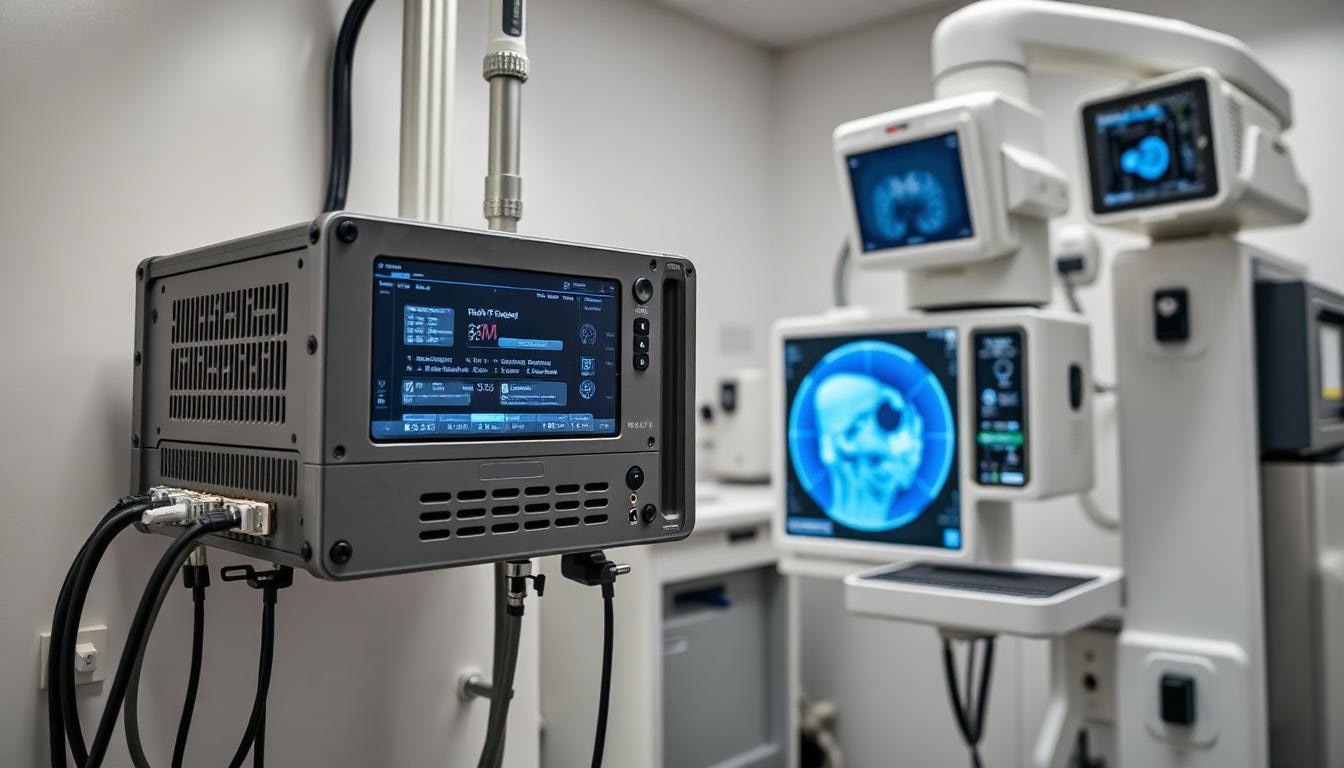
How to Size an Edge AI Computer for Local LLM & Medical AI
GPU, VRAM, system RAM, thermal design and workload placement — a practical guide to sizing local LLM and medical Edge AI hardware.
10 min read
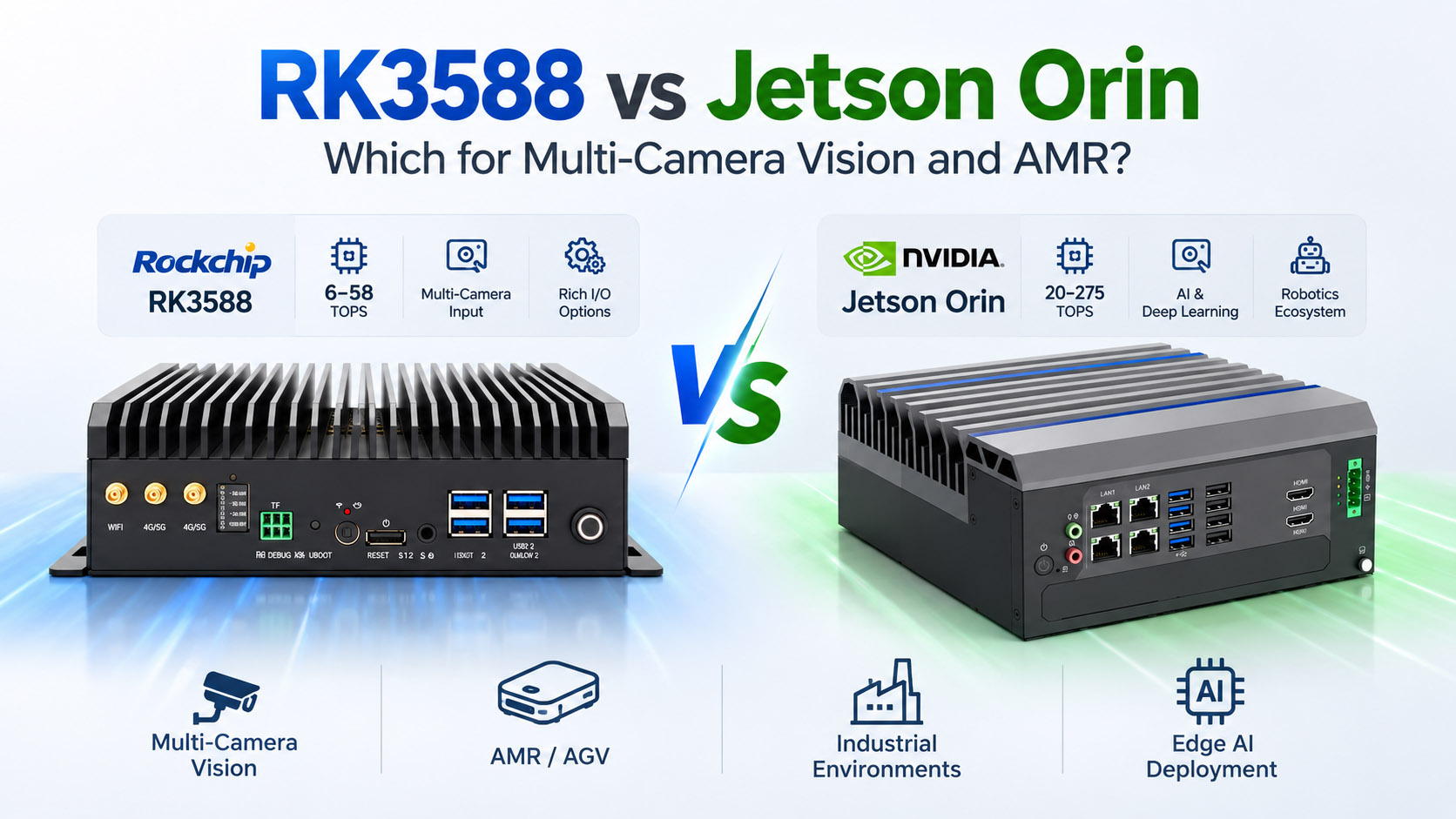
RK3588 vs Jetson Orin: Which for Multi-Camera Vision and AMR?
Camera ingress, toolchain, and power budget decide the platform before TOPS does — a practical guide to choosing between AE-3588BT/LBT and the AE-NJ60BT for AMR and vision projects.
Engineering Notes
Medical Edge AI & Legacy Integration
Patient-data handling, DICOM/HL7/FHIR integration, and adding an AI layer to validated equipment without replacing it.
13 min read
Medical Edge AI: Why Patient Data Should Stay Close to the Device
A system-level guide to medical edge AI — the data path before the model, why local ≠ HIPAA compliant, PACS/DICOM and HL7/FHIR integration, and the four deployment architectures.
12 min read
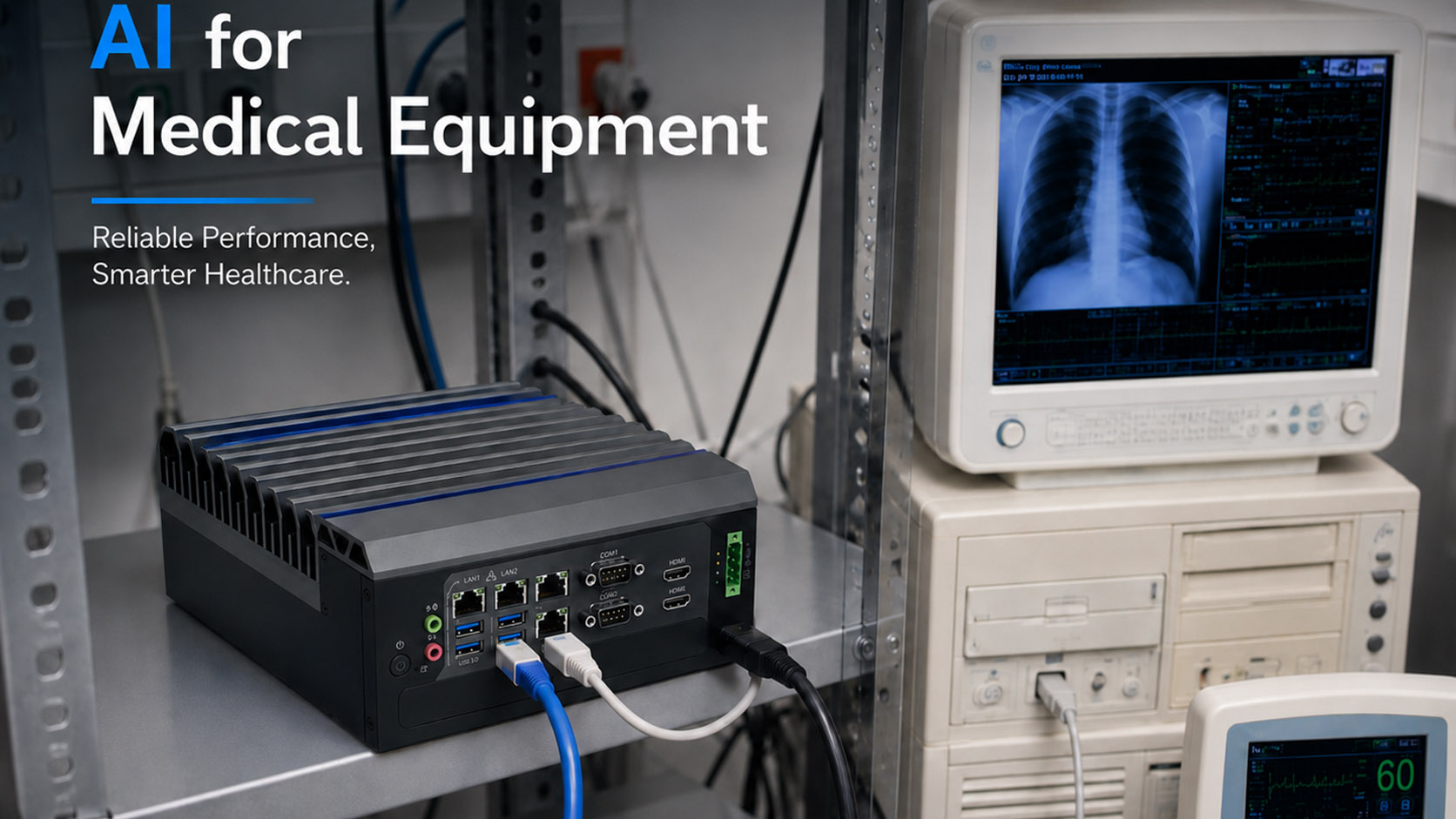
Adding AI to Legacy Medical Equipment Without Replacing It
Keep the validated device as the system of record and add a controlled AI layer around it — DICOM/HL7/FHIR retrofit paths, read-only first, and where an edge AI gateway fits.
Engineering Notes
Machine Vision & AOI Solution
Imaging chain, cycle-time sizing, multi-camera bandwidth and vision-to-PLC integration for AOI systems that have to survive production.
13 min read
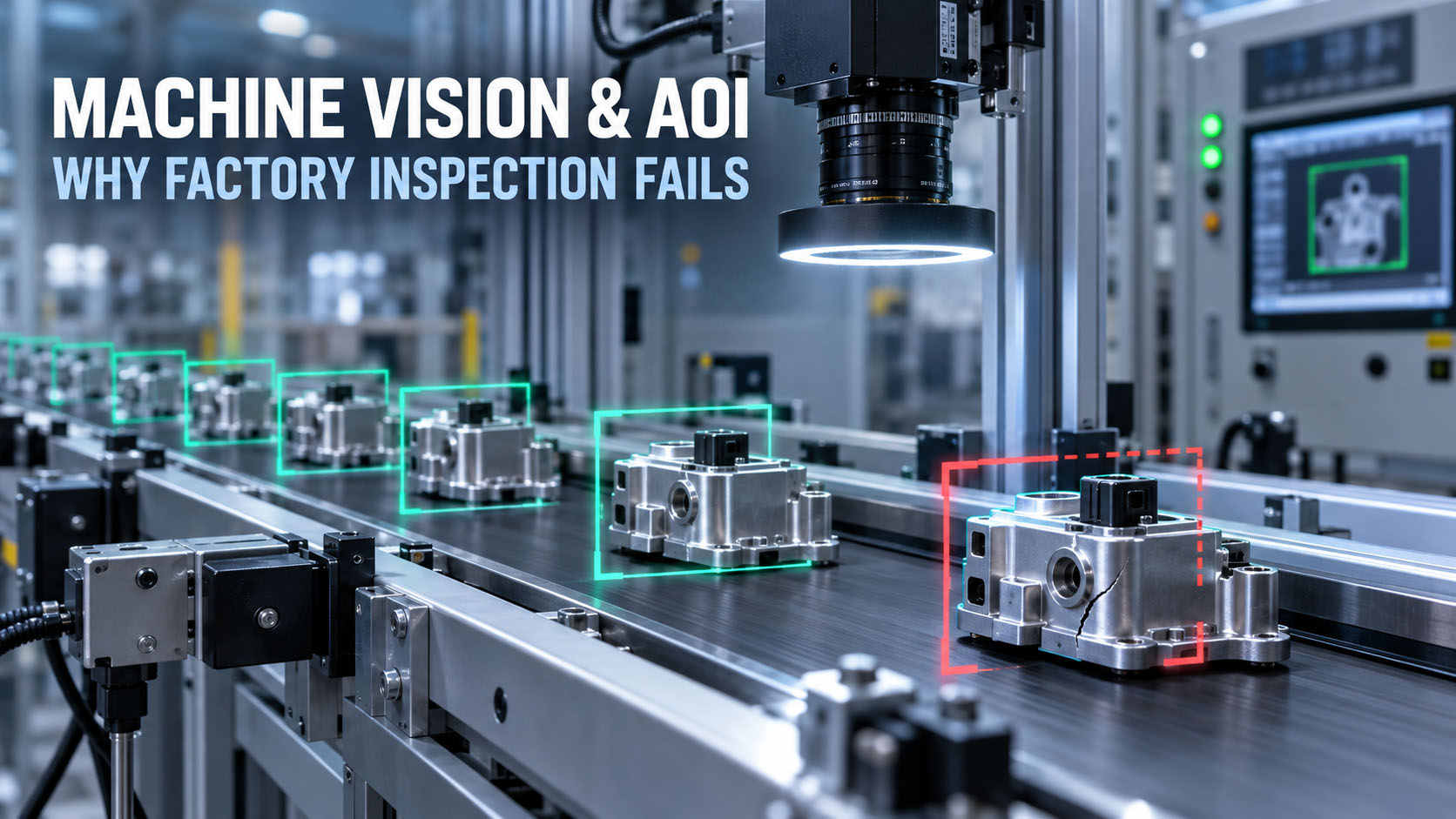
Machine Vision & AOI: Why Factory Inspection Fails Outside the Lab
Lighting and optics before GPU selection, dataset shift on the line, false-positive cost, cycle-time sizing, multi-camera bandwidth, vision-to-PLC architecture, and the sustained-load evidence a 24/7 AOI computer needs.
13 min read
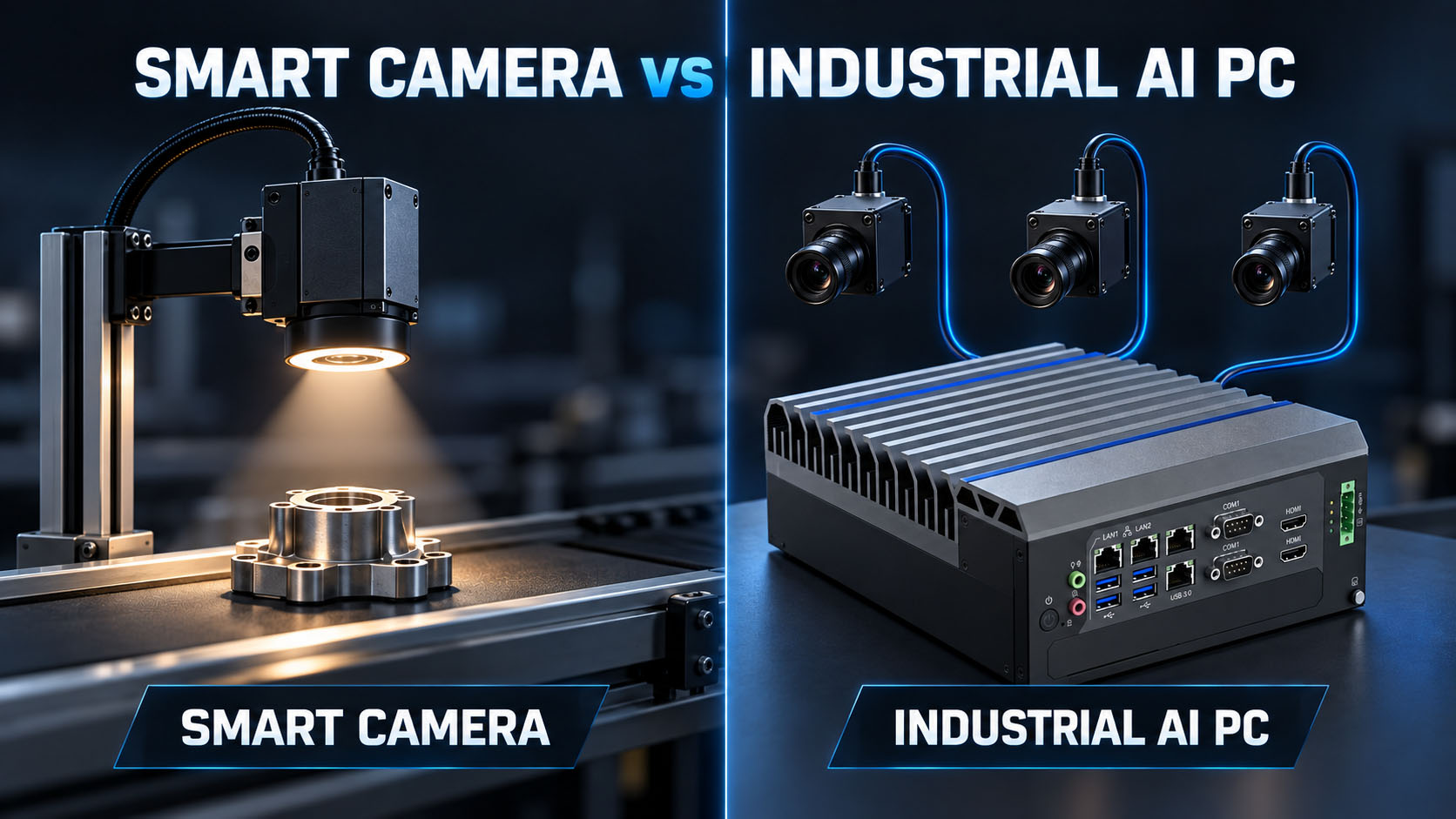
Smart Camera vs Industrial AI PC: Which Architecture Fits?
A continuum from vision sensor to GPU vision workstation.
Imaging chain first, then camera count and synchronisation, PLC and MES integration, model lifecycle, and who maintains the recipe in year five.
13 min read
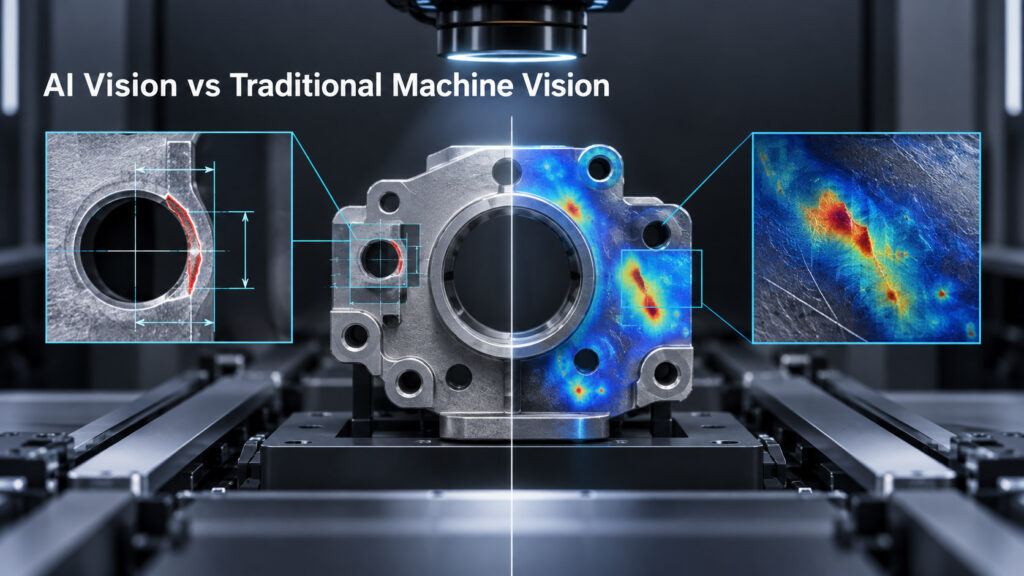
AI Vision vs Traditional Machine Vision: When Should You Use Each?
Choose rules when the defect can be defined, AI when appearance must be learned, and hybrid inspection when AI recognition still needs a deterministic tolerance decision.
Appearance Hybrid
13 min read
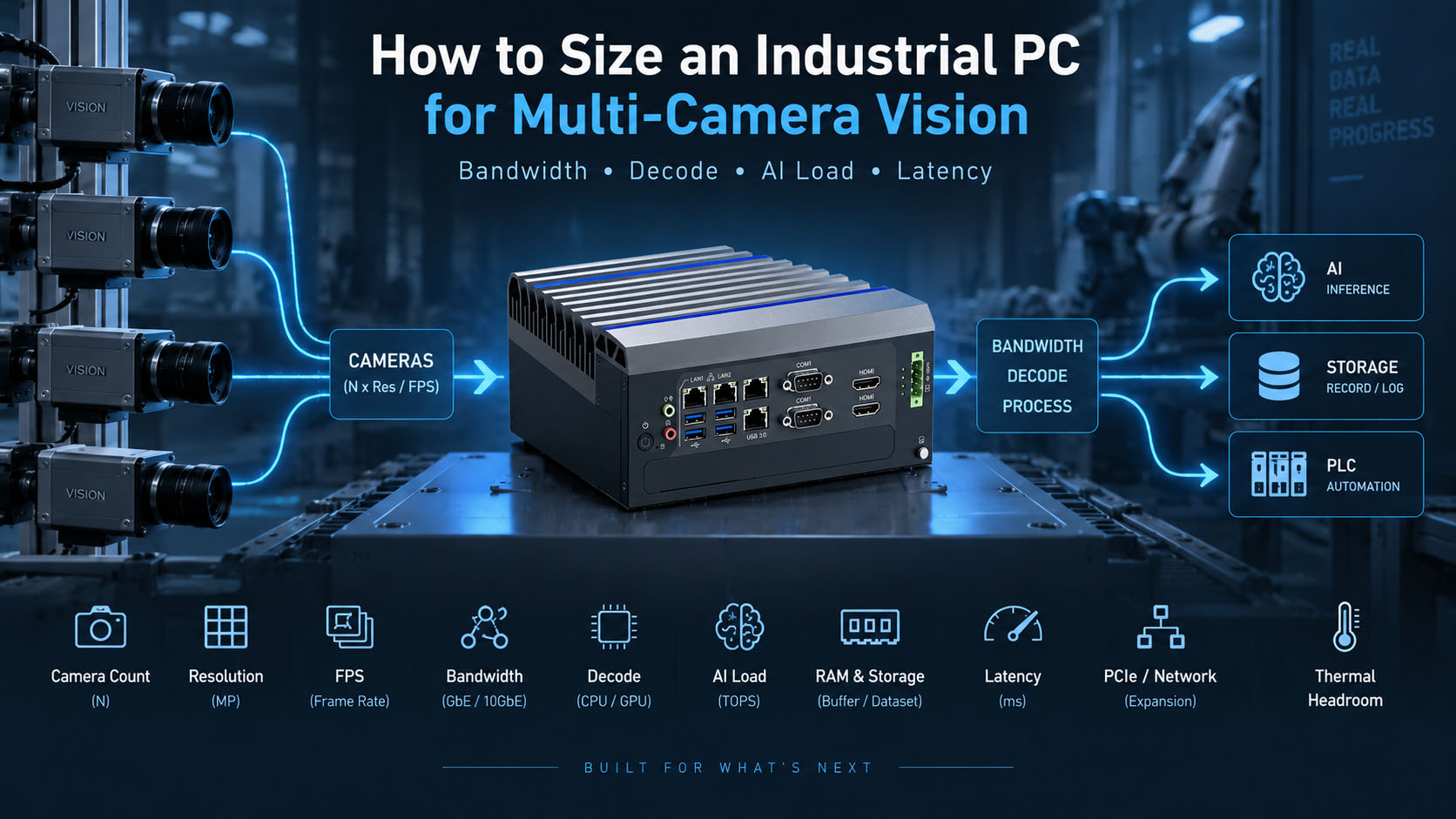
How to Size an Industrial PC for Multi-Camera Vision
Camera count is not a sizing spec. Bandwidth formulas for RAW streams, GigE/USB3/CoaXPress transport limits, decode budgets,memory copies, inference load maths, end-to-end PLC latency,storage and sustained thermals.
Selection Guides
Choosing the Right Platform
Spec-by-spec buying guides — CPU class, expansion slots, panel format, thermal design, and what the industrial premium actually buys.
8 min read
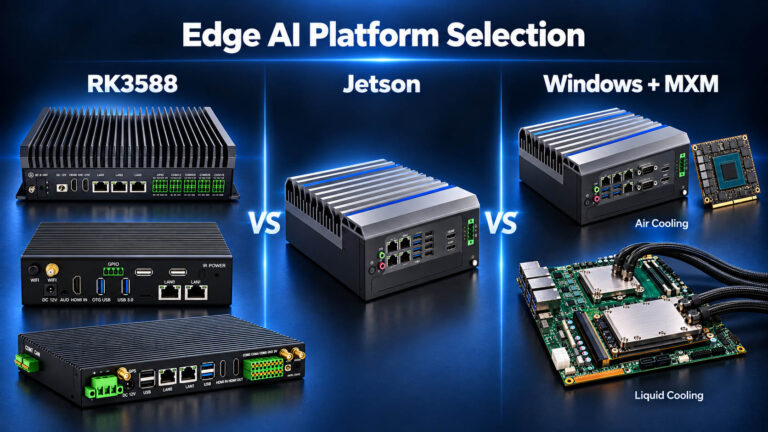
Jetson Orin vs RK3588 vs x86
How to Choose Your Edge AI Platform – Beyond the TOPS Number
BITECH’s three classes: RK3588 (AE-3588, 6-58 TOPS), Jetson Orin NX Super (AE-NJ60BT, 157 TOPS), and x86 + RTX MXM (AE-760EBT/AE-960EBT). Decide on workload, toolchain, power, thermal, I/0 and lifecycle – not TOPS.
8 min read
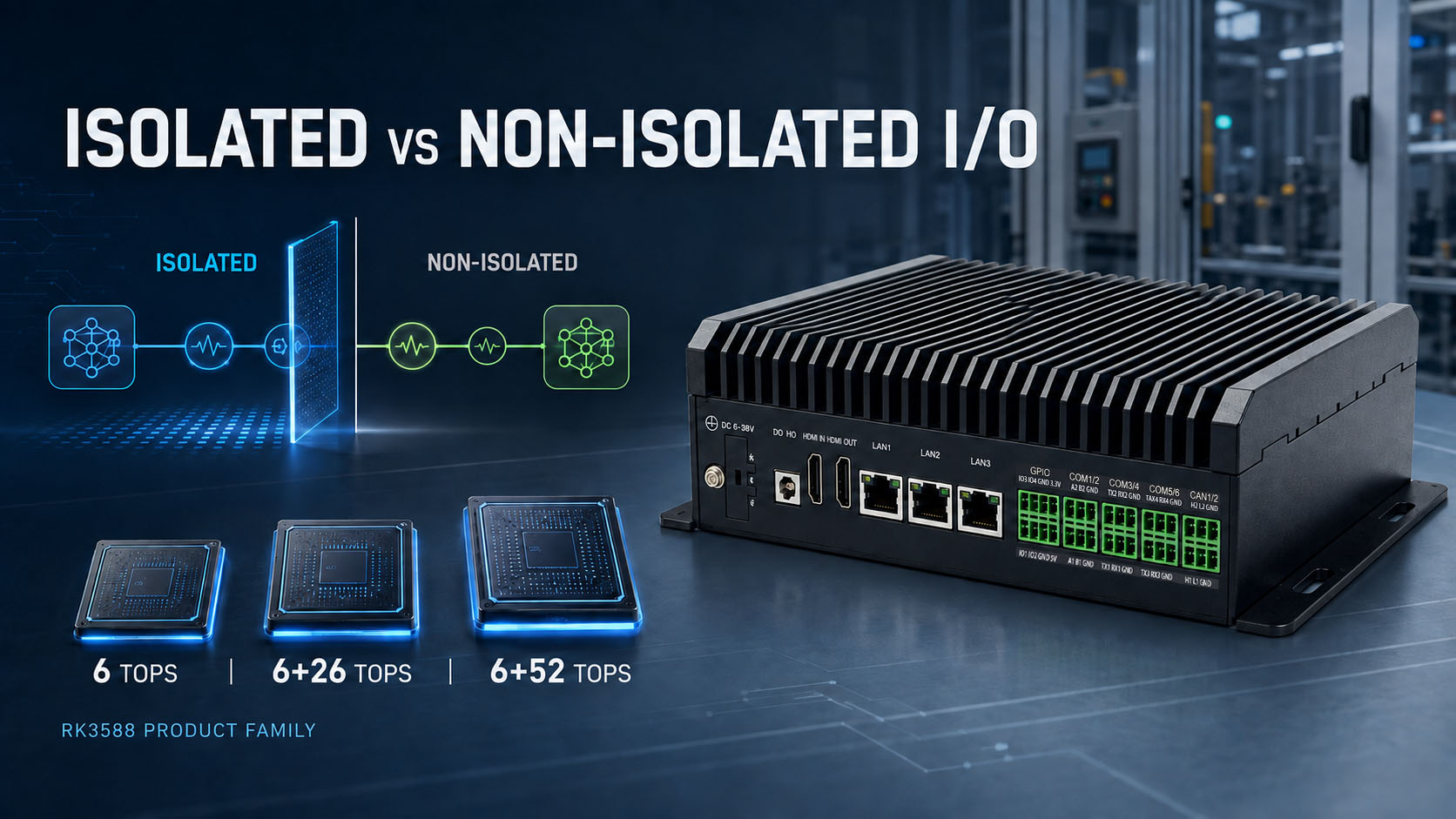
Choosing an RK3588 Industrial Computer
Isolated vs non-isolated I/O and 6 to 58 TOPS — how to match the RK3588 product family to your floor environment and AI workload.
11 min read
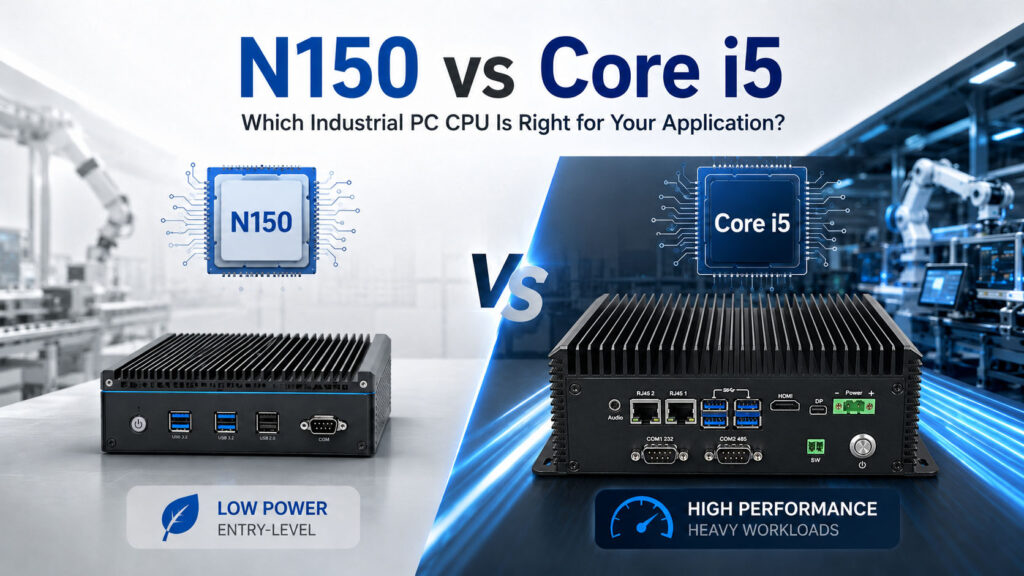
N150 vs Core i5: When Is the N150 Not Enough?
Where the Intel N150 is genuinely the right call for industrial edge nodes — and the signals (vision, virtualization, real concurrency, sustained 24/7 load, single-channel memory) that mean you need a Core i3/i5 or N355.
14 min read
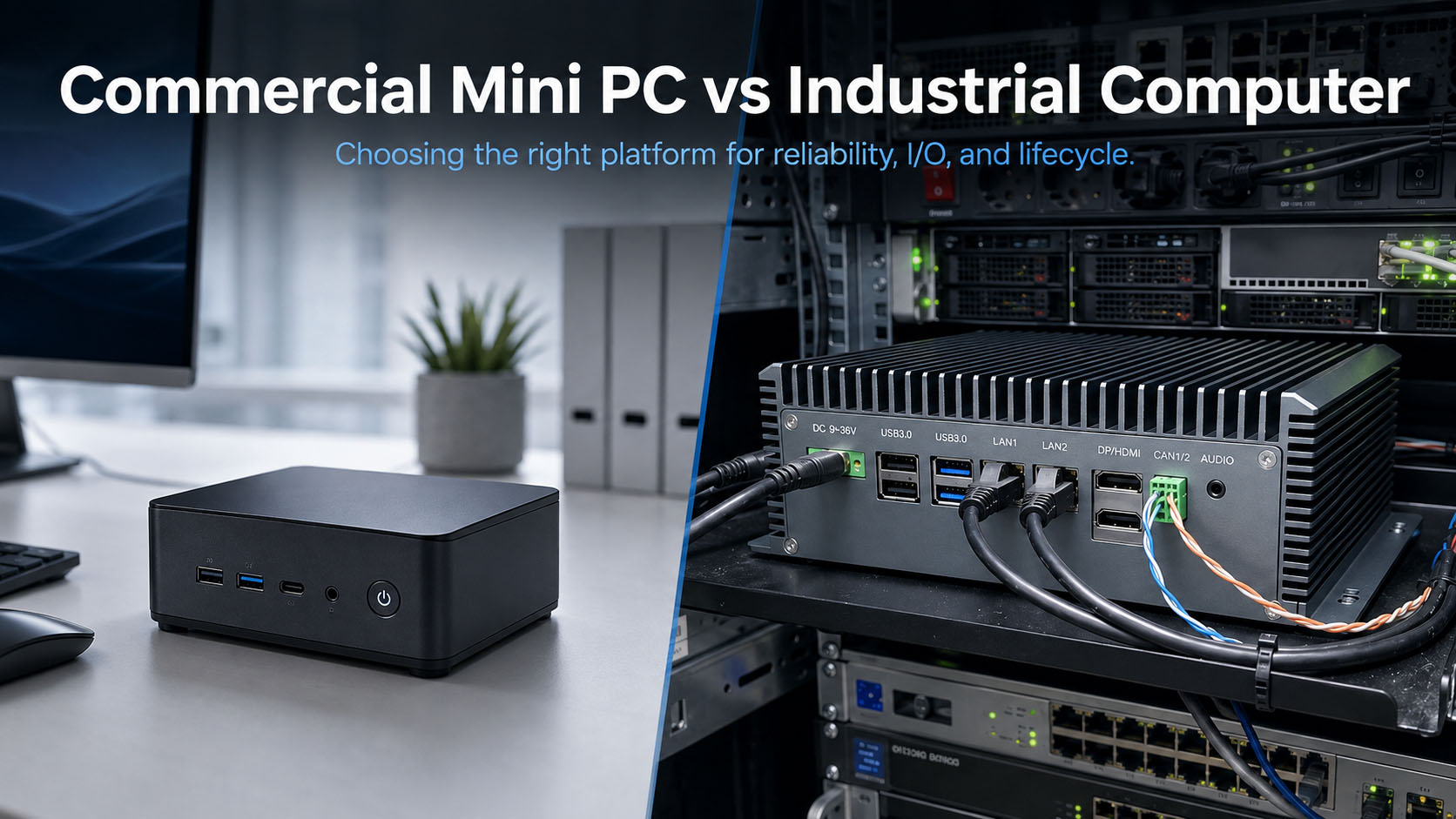
Industrial PC vs Mini PC: What Are You Actually Paying For?
An industrial box PC costs 3–5× a mini PC with the same CPU. Where that premium buys real engineering — thermal, wide-range DC input, isolated fieldbus, frozen BOM, IoT LTSC — and the four cases where a mini PC wins.
9 min read
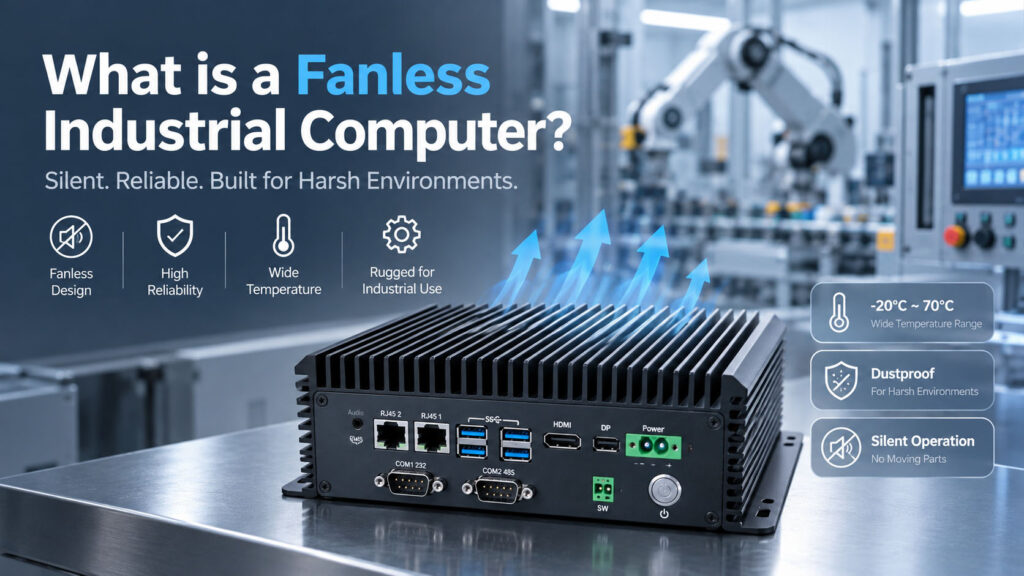
What Is a Fanless Industrial Computer?
The straight definition and thermal design — then the questions that actually decide deployments: lifecycle and spares, fleet OS management, legacy I/O, reliability data, and ten-year TCO.
9 min read
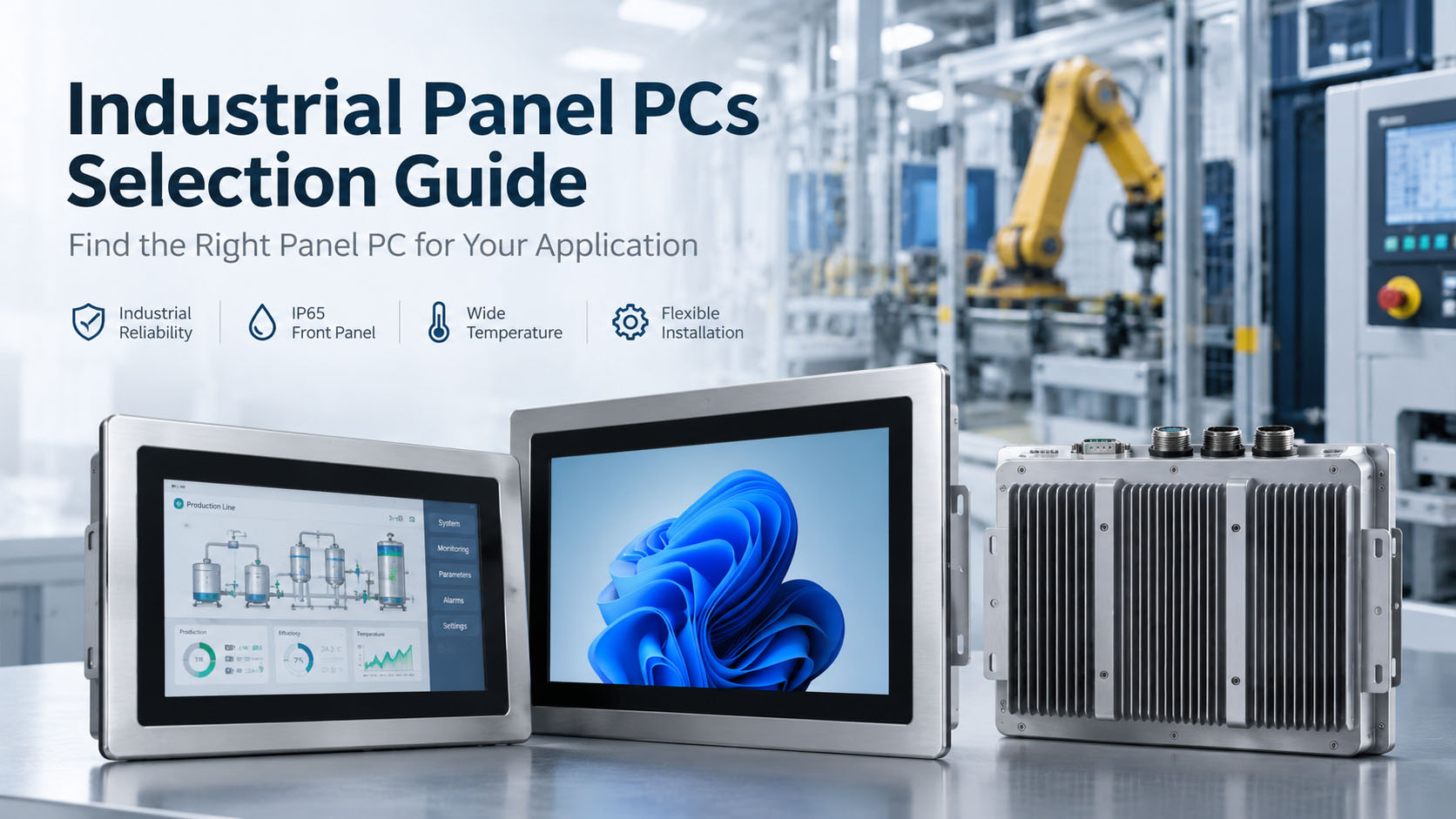
Industrial Panel PC Selection Guide
Choose a panel PC by matching four things in order — IP rating (IP65/IP66/IP69K), touch (PCAP vs resistive), mounting (panel/VESA/open-frame), and screen size — before the CPU.
8 min read
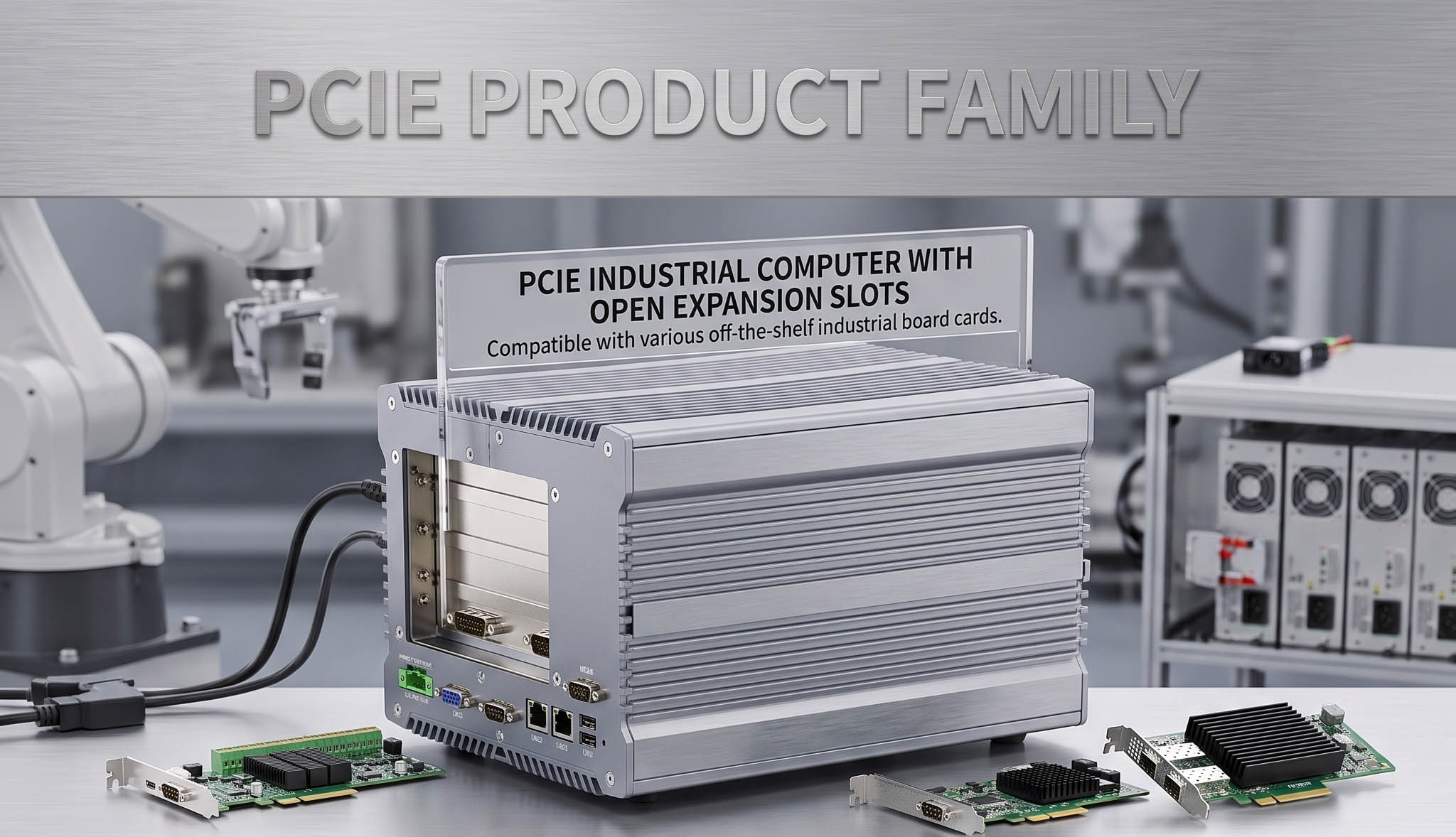
PCIe Expansion Industrial PC Selection Guide
How to match a PCIe, Mini PCIe, or legacy PCI add-on card to the right industrial box PC — from lane speed and card form factor to power, thermal, and lifecycle.
9 min read
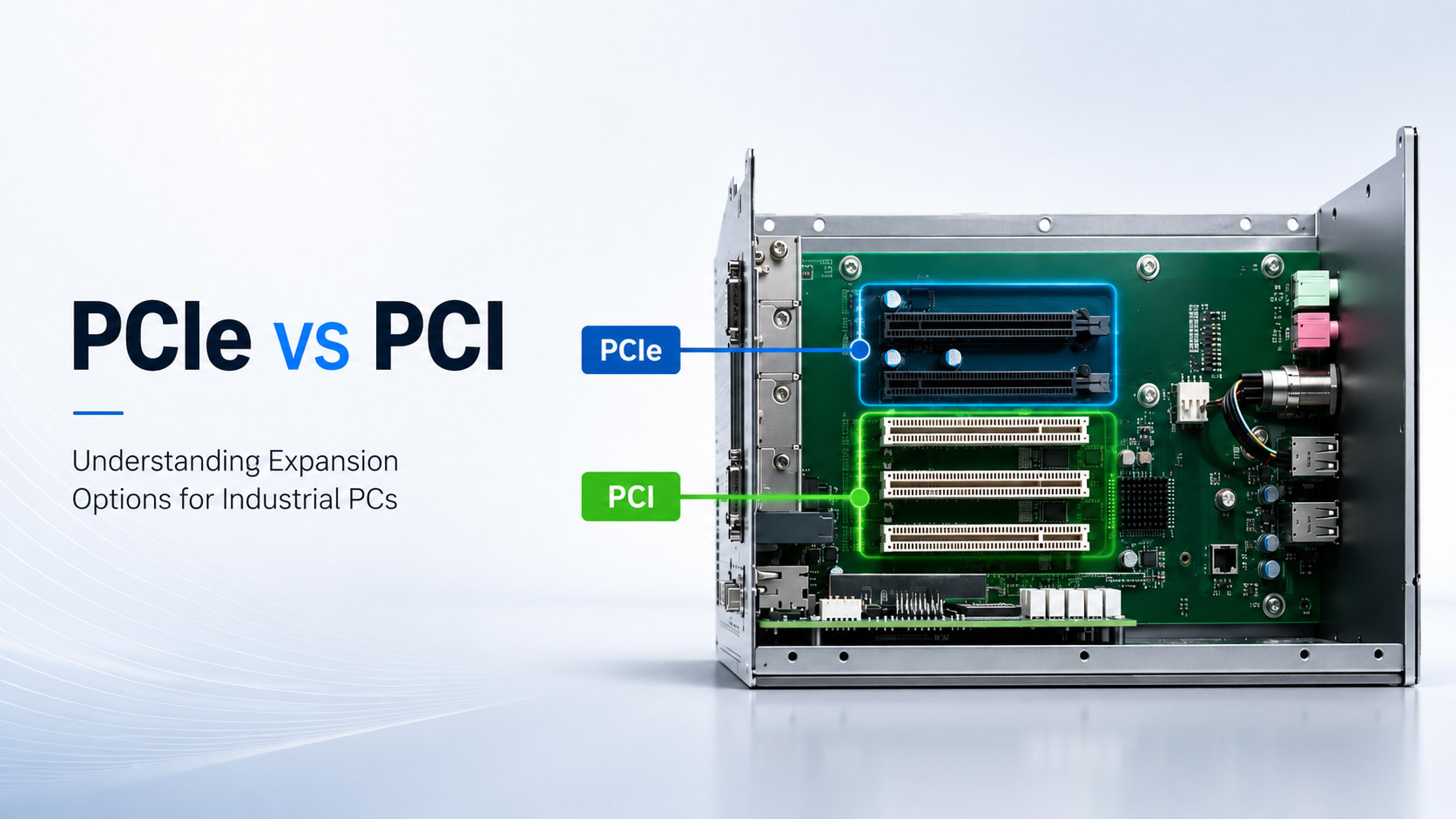
Legacy PCI Industrial Computer Selection Guide
Why the PCI slot refuses to die — and the seven specs (bridge chip, 5V vs 3.3V signaling, PCI-X, slot count, drivers, form factor, lifecycle) that decide whether a modern PCI industrial PC will run your legacy card.
8 min read
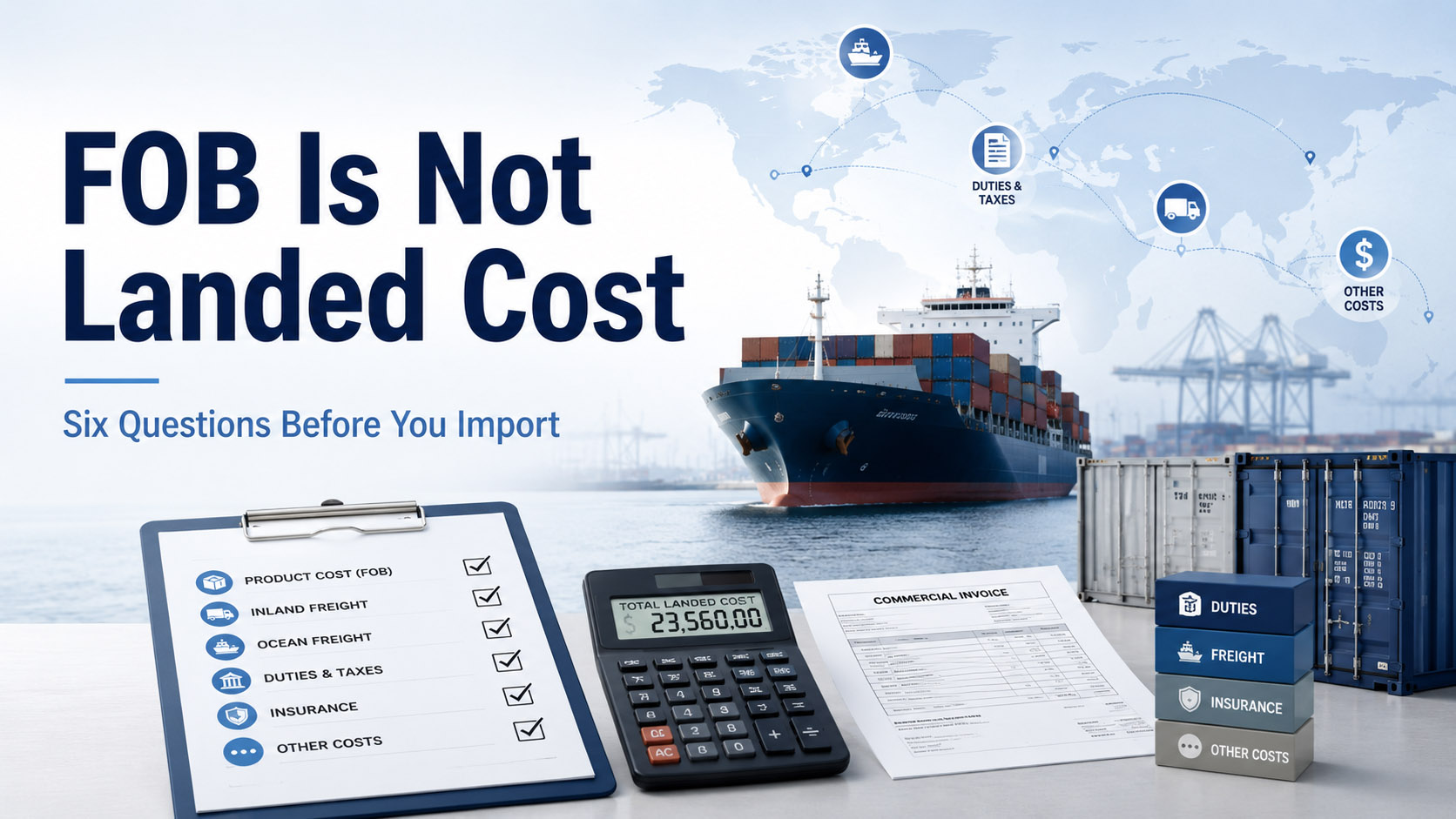
FOB Is Not Landed Cost: Six Questions Before You Import
Incoterms, HS classification, duty exposure, compliance-file longevity,field-failure routing,and CPU end-of-lfie — the six questions that decide whether an overseas industrial hardware supplier is actually cheaper