
Featured Technical Whitepapers & Architecture Guides
Technical whitepapers and validation documentation for industrial deployments.
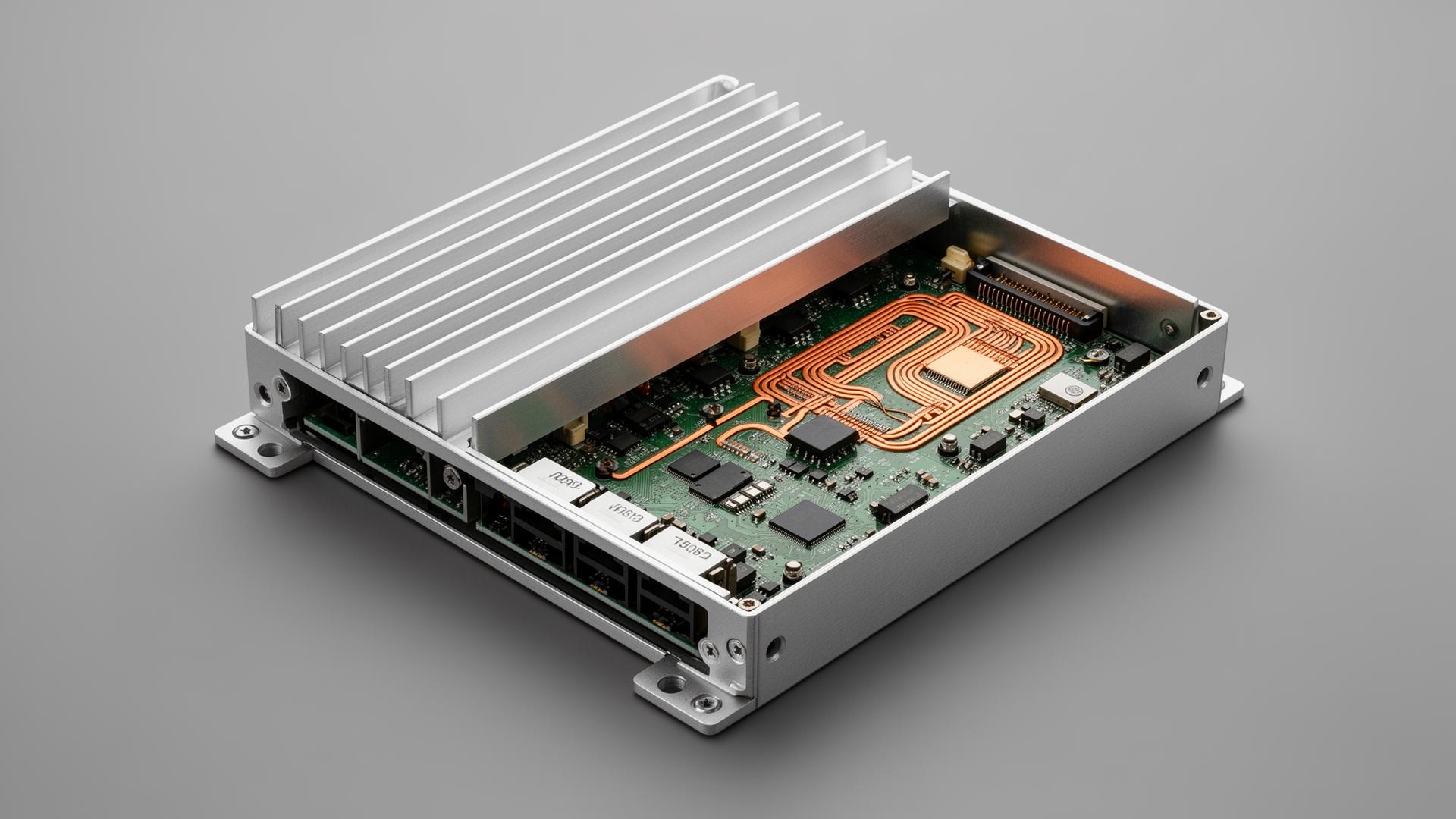
Thermal & Power Architecture
CFD-optimized fanless thermal management for -40°C to +80°C operation. Wide-voltage 9-36V DC input with 4kV isolation and multi-stage surge protection. Industrial power architecture engineered for vehicle, factory, and outdoor deployment environments.
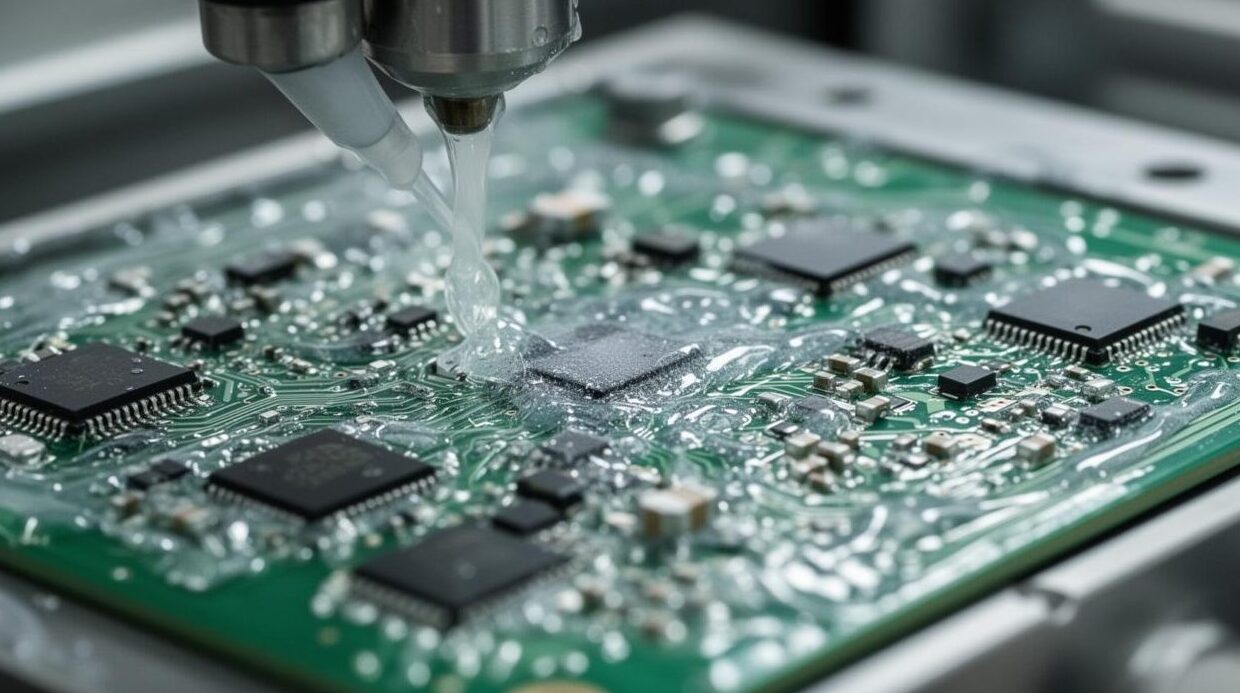
Conformal Coating (IPC-CC-830B) Protection
IPC-CC-830B certified silicone-based conformal coating (26-38μm) protects populated PCBs from humidity, salt spray, and condensation. Essential for outdoor installations, coastal environments, and applications with temperature cycling that causes moisture ingress.
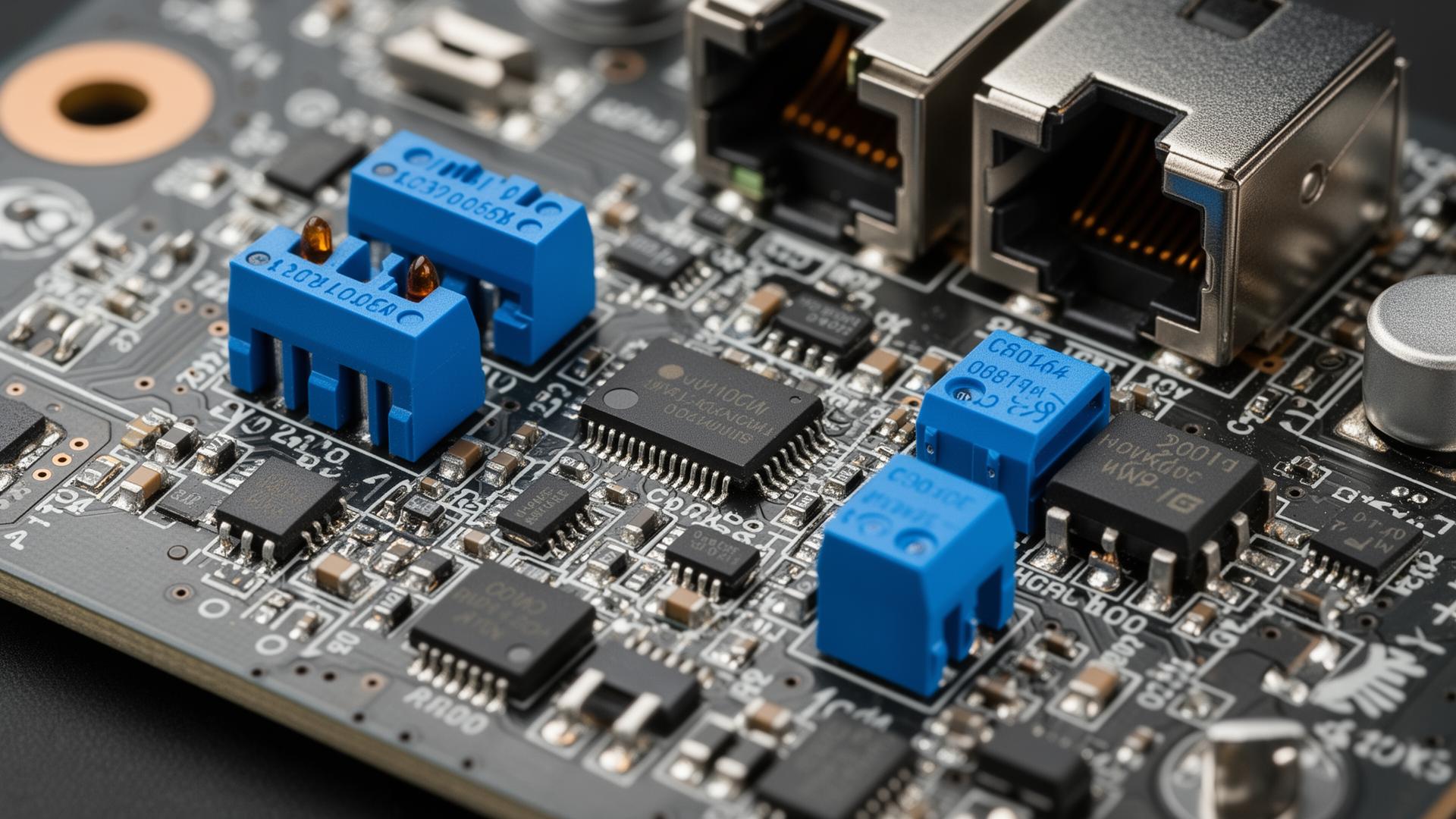
Industrial Interface & Galvanic Isolation
Ground loops and voltage transients are the primary causes of interface failures in industrial environments. 2.5KV/4000V galvanic isolation on COM ports and 1.5kV on Ethernet prevents damage from ground potential differences common in factory and vehicle installations.
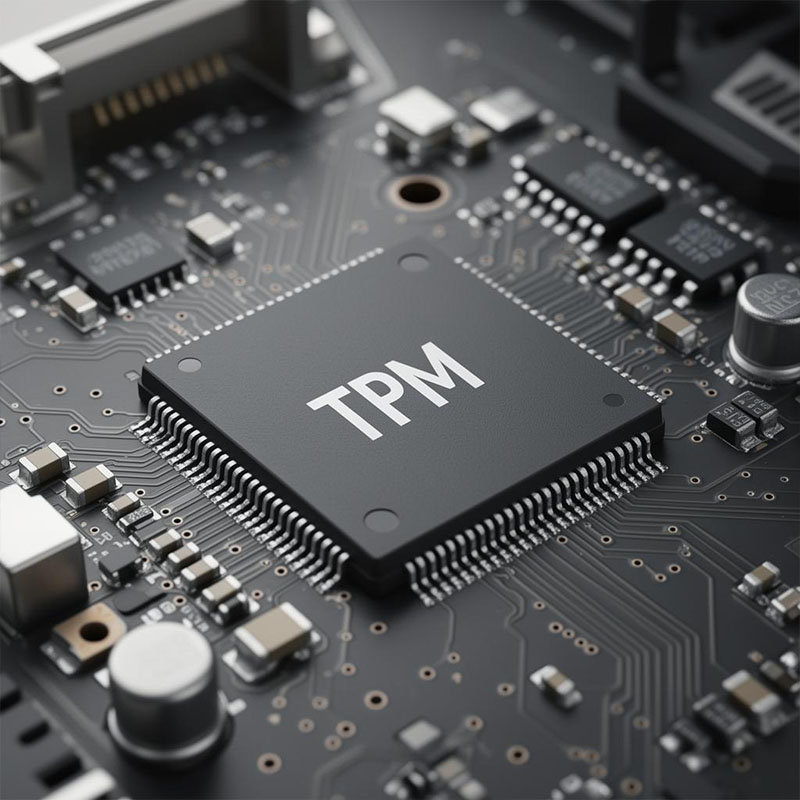
AGV/AMR System Architecture
- ▪ Perception & SLAM: RK3588J platform optimized for 32 TOPS AI computing power.
- ▪ Actuation & Fieldbus: AX-130BT series features native CAN communication (low/medium/high speeds) and up to 4000V galvanic isolation.
- ▪ Core Architecture: Exclusive modular mainboard design specific to AX-130BT and AX-134BT series.
- ▪ Power Management: 9-36V OVP/UVLO with TPM 2.0 Hardware Security.

LACP & TSN Networking for Machine Vision
Deterministic industrial communication engineering…
Covered Protocols
- Link Aggregation (LACP) for 2.5GbE
- EtherCAT & CAN-Bus Routing
DVT Validation Lab Standards
Laboratory-grade testing benchmarks ensuring MIL-STD-810G and IEC 60068-2 compliance.
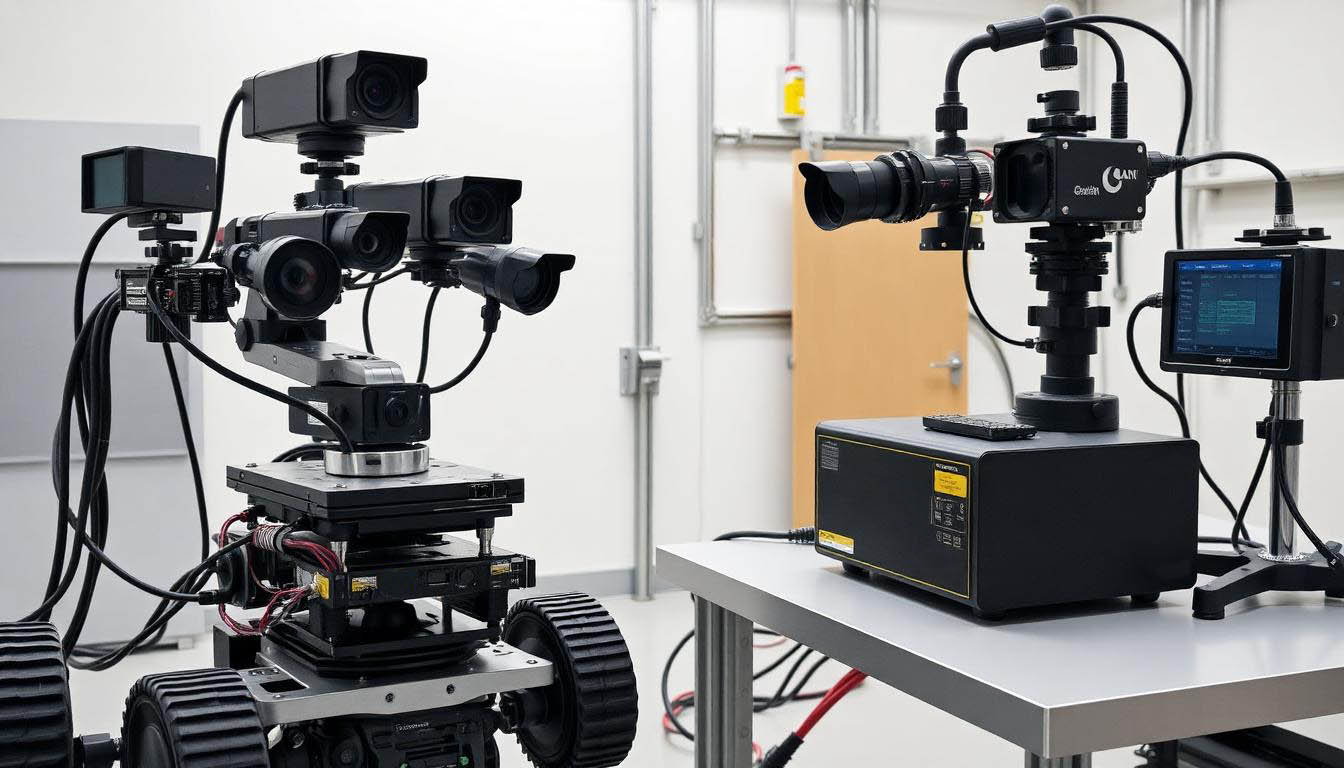
GMSL2 vs GigE Vision
Choosing the Camera Transport for Multi-Camera Industrial Vision
GMSL2 and GigE Vision move many camera streams into one compute box from opposite directions — short-reach deterministic SerDes on Jetson vs long-reach interoperable Ethernet on x86. Reach, latency, sync, CPU load and platform fit compared.
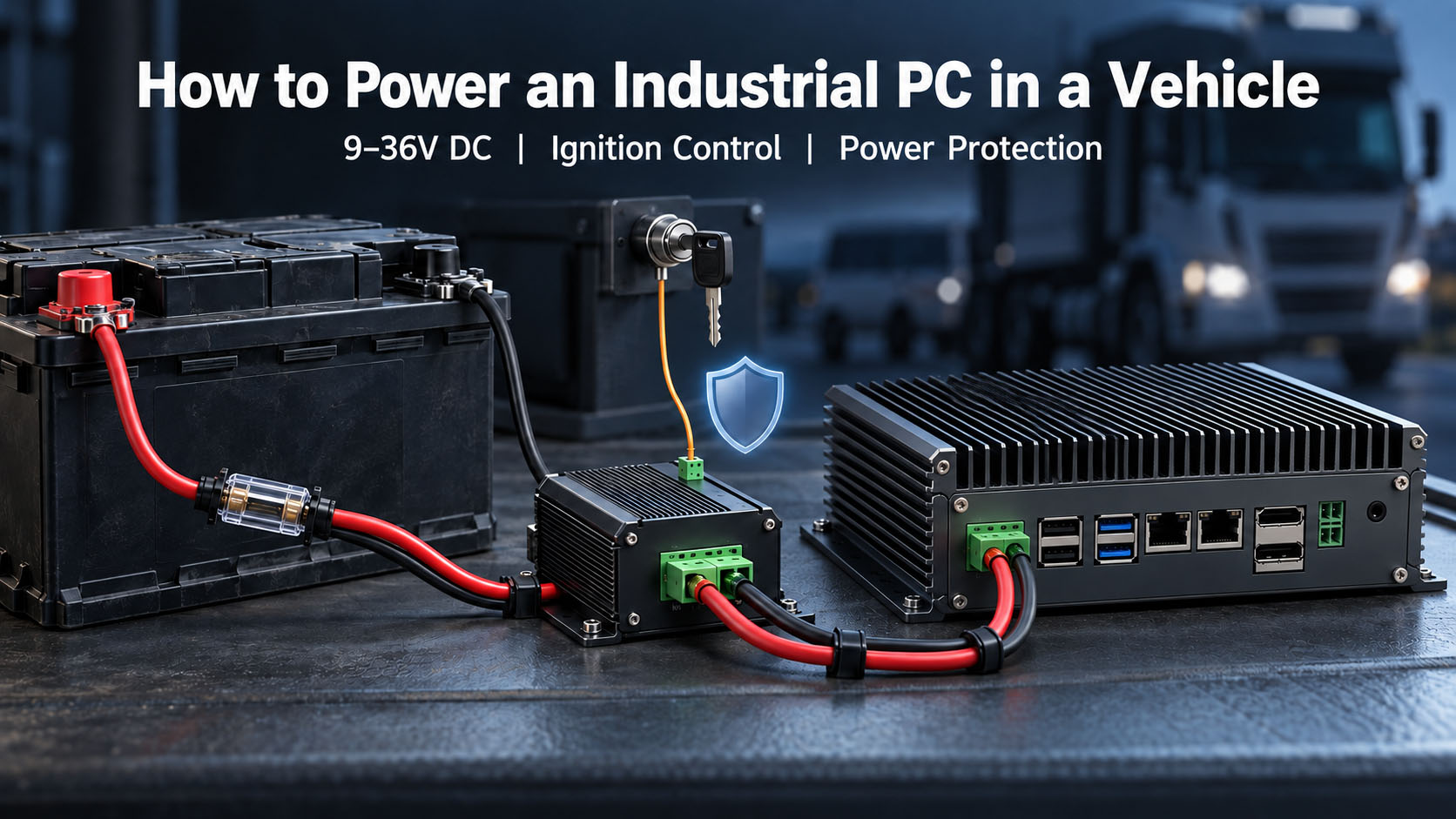
How to Power an Industrial PC in a Vehicle
9–36V Wide Input, Ignition Control & ISO-Grade Transient Protection
A vehicle’s DC supply is electrically hostile — load dump, cranking dips, reverse polarity and switching transients. What it takes to power an industrial PC in a vehicle: 9–36V wide input, ignition sensing with timed on/off delays, low-voltage battery protection, and ISO 7637-2 / ISO 16750-2 protection.
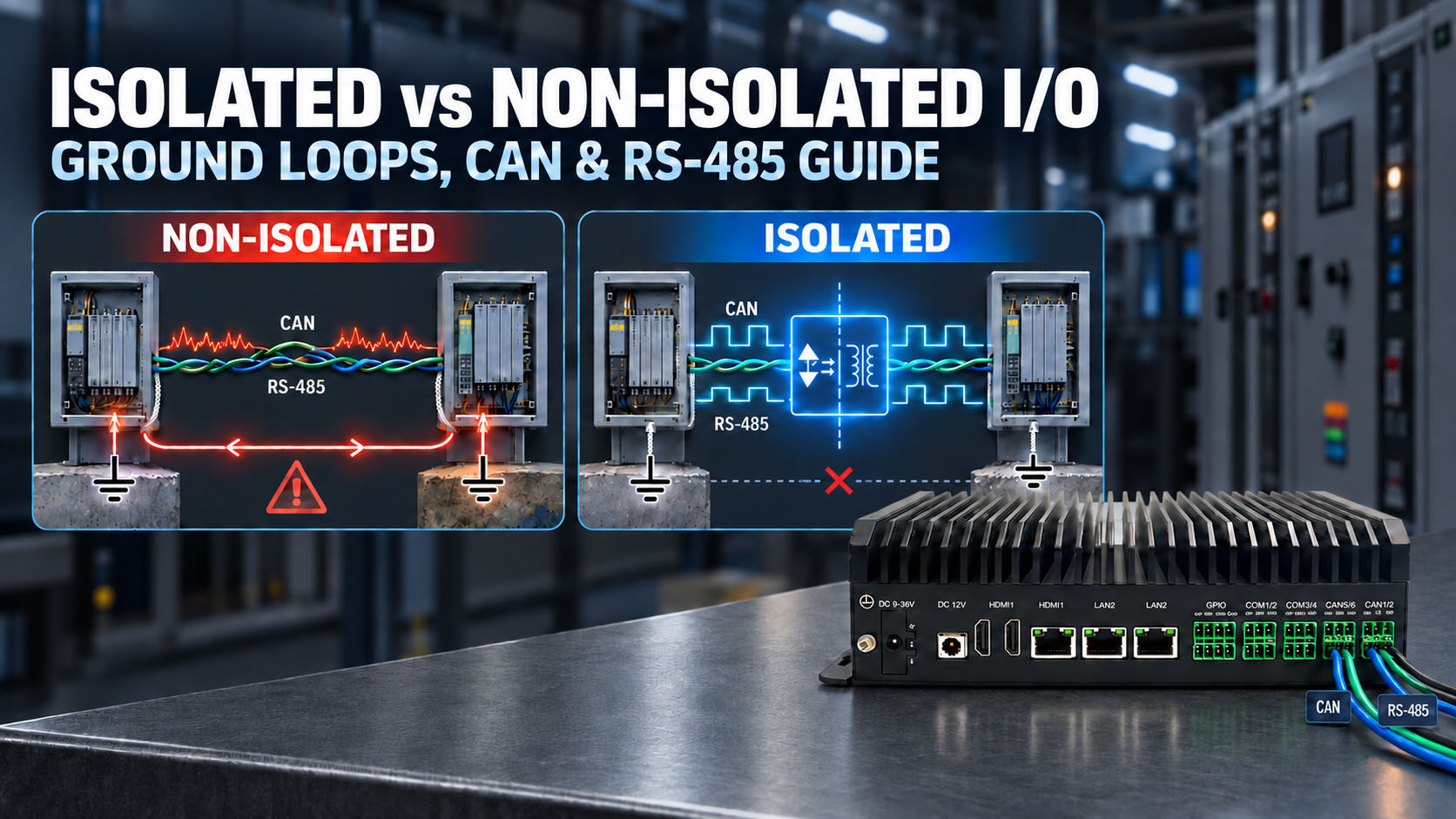
Isolated vs Non-Isolated I/O
How to Choose — And Why BITECH Treats Isolation as a Configured Option
Choose isolated I/O when signals cross ground references or touch the outside world — motor drives, long runs, vehicle buses, high-EMI floors. Choose non-isolated for clean cabinets where latency counts. At BITECH, 4000V isolation is a configured option matched to your deployment (AE-3588BT standard, AX-130BT optional, AE-3588LBT non-isolated).
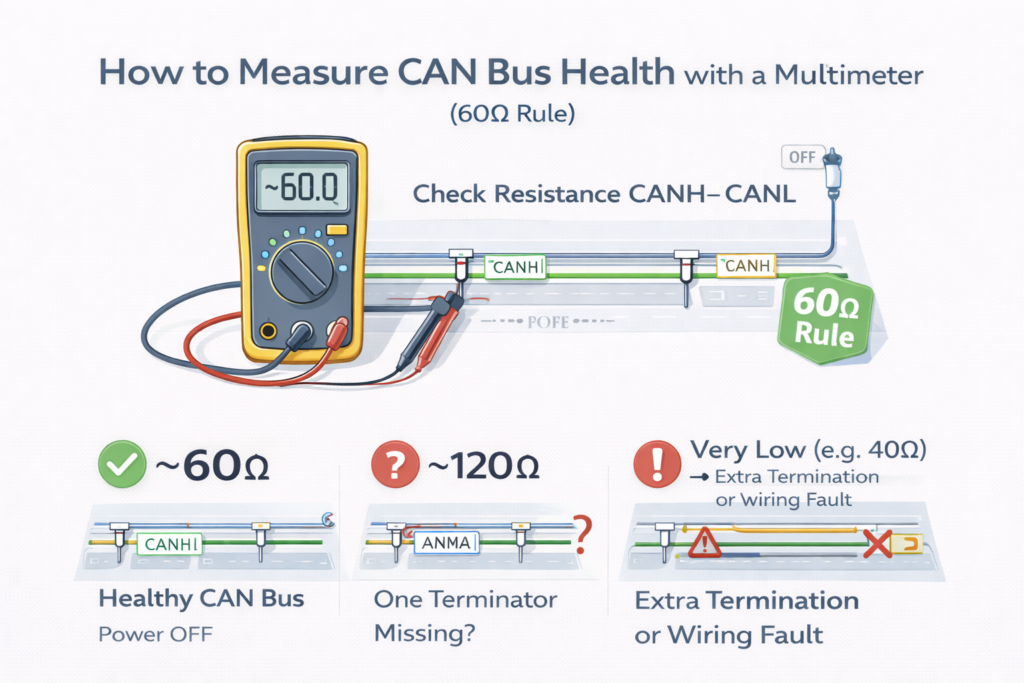
The 60Ω CAN Bus Check
A 30-Second Physical-Layer Test Before You Touch the Logs
Most ‘CAN bugs’ aren’t software — they’re the physical layer. Power off, measure CANH–CANL with a multimeter, and read the termination: ~60Ω healthy, ~120Ω one terminator missing, ~40Ω one too many. The field check every installer should run first.
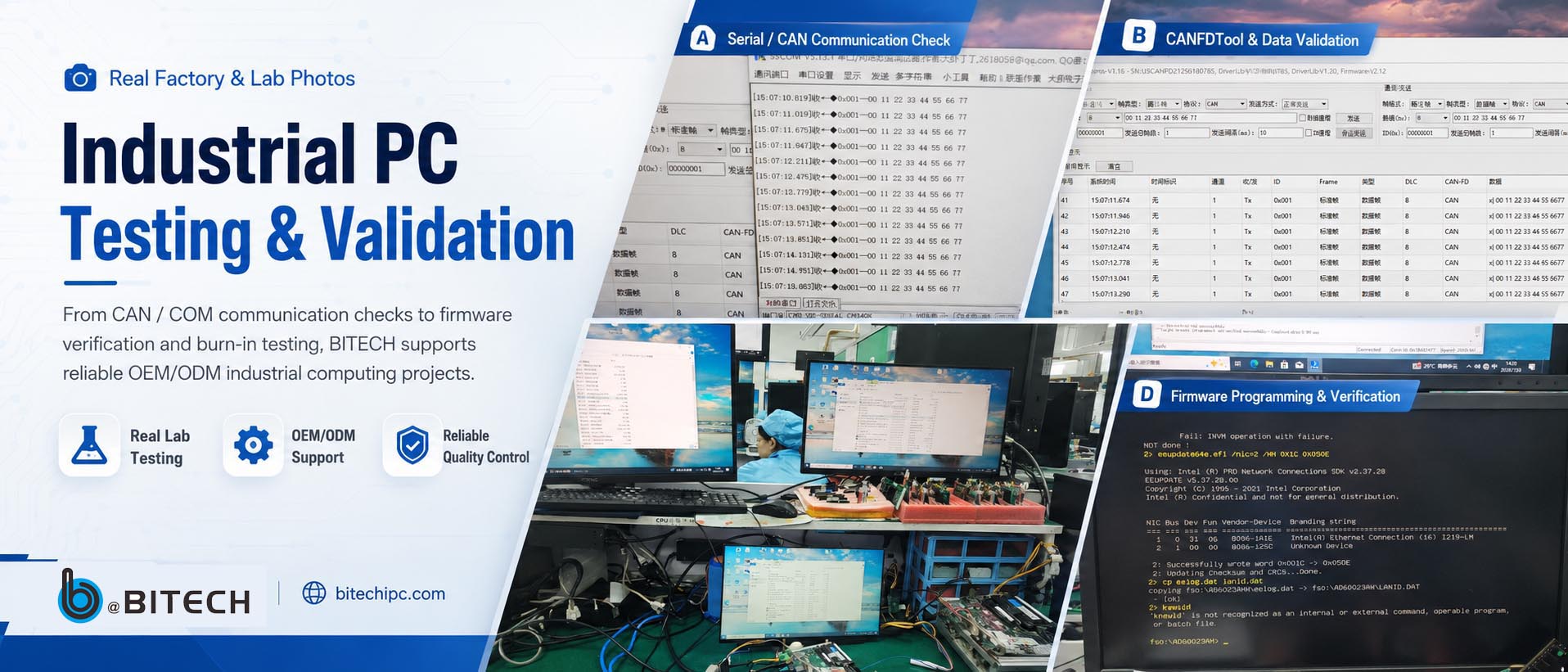
How We Test Every Industrial PC Before Shipment
18h Bare-Board Burn-In, Full Interface Test, 18h Assembled Burn-In
Every unit — not a statistical sample — passes an 18-hour bare-board burn-in, a full interface and function test across CAN, serial, Ethernet, display, storage and I/O, then another 18-hour burn-in in its assembled enclosure. Serial-number traceable, component-lot logged.