
Deployment-Led Engineering

Industrial Computing Solutions for Environments That Break Standard Hardware

Vehicle chassis, outdoor cabinets, wet production lines, high-voltage substations. When catalog hardware fails in your deployment, we engineer the platform around your constraints — not the other way around.

Our modular architecture ensures long-term delivery readiness, allowing you to scale compute and I/O as your project evolves without platform redesign.

“Built on a modular, flexible architecture, BITECH delivers a stable and scalable compute foundation for global industrial mission-critical workloads.”


No SKU selection required. Tell us your scenario and constraints—we’ll recommend a solution path.

Why Top Integrators Build on BITECH


Zero-Jitter Determinism

Built for closed-loop control where every millisecond counts. We guarantee the thermal stability and real-time processing required for high-speed synchronization and precision automation


Frictionless Scaling

Design once, scale infinitely. Easily upgrade AI accelerators (GPUs/NPUs) or swap custom I/O modules as your project transitions from pilot validation to mass production.


Anti-Obsolescence Assurance

Protect your software investments. We actively manage component lifecycles to eliminate sudden EOL (End-of-Life) disruptions and costly forced platform redesigns.

We deliver not just hardware, but a scalable, maintainable, and verifiable compute foundation.


01

Mobile & In-Vehicle


Compute that moves with the machine. Unstable battery or alternator power, continuous vibration, EMI from motor drives, and no service window once the unit is in the field.

9–36V wide input + ACC ignition
4000V isolated CAN bus
15G shock / 3Grms vibration
Fanless, cable-less chassis
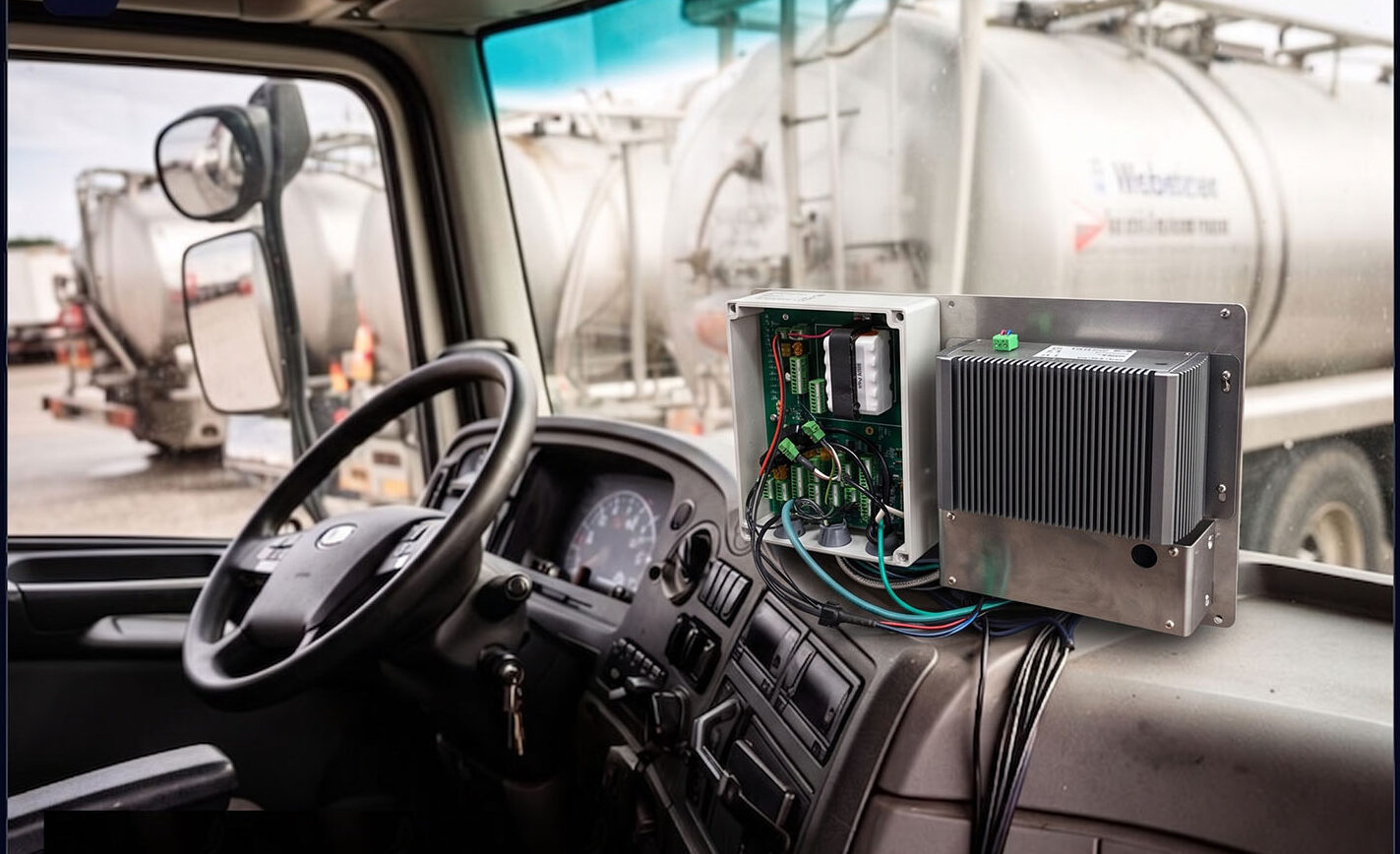
BITECH AX-234BT industrial control unit mounted inside a Danish milk transport truck cabin

Vehicle-Mounted & Fleet Computing

Rugged in-cab computing for heavy-duty fleets, rail, and mobile machinery. Wide-voltage 9–36V input, isolated CAN bus, and ignition management keep telematics and diagnostics alive through dirty power, shock, and EMI.
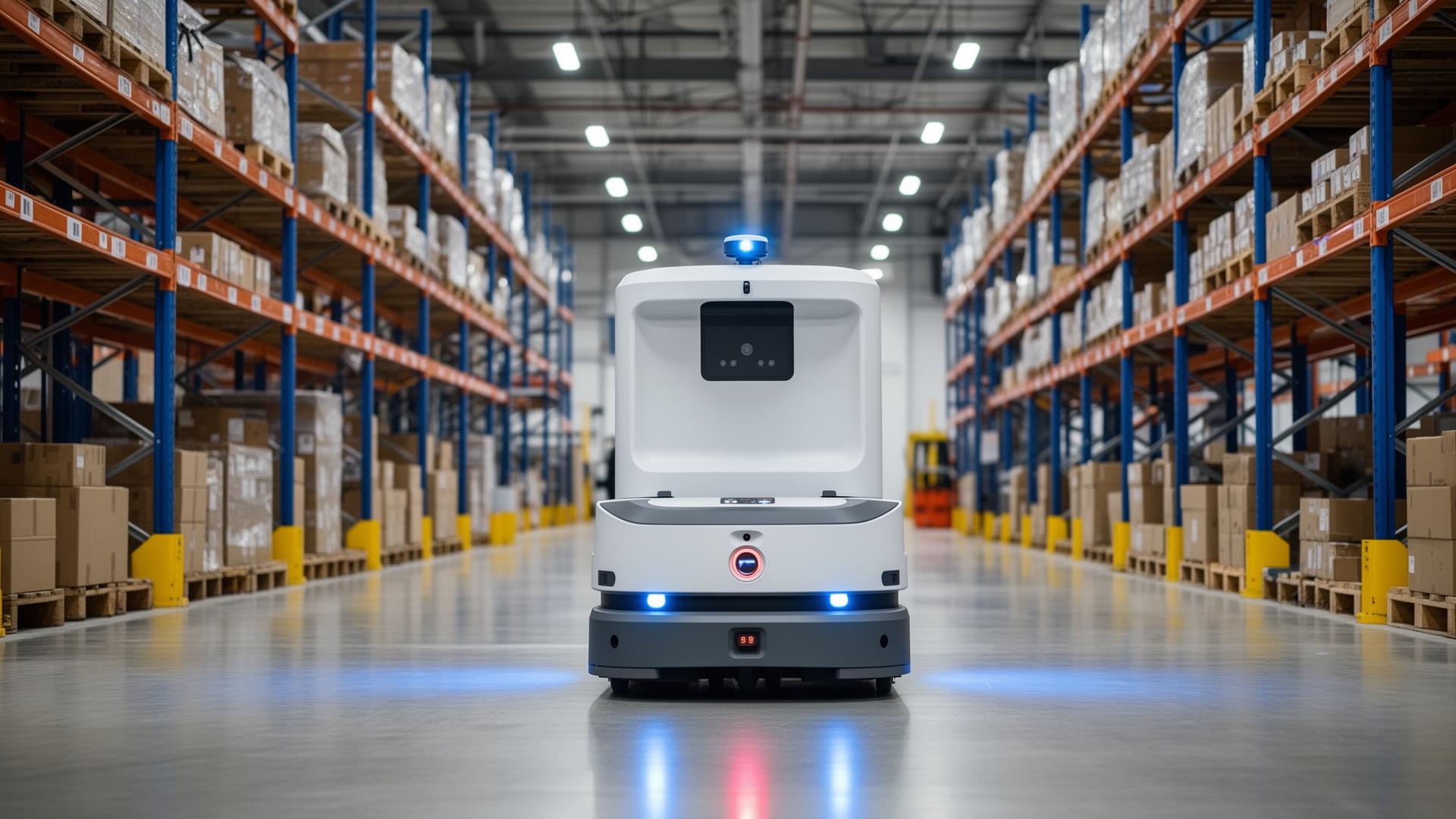
agv-amr-controller

AMR / AGV Controllers

Domain controller architecture consolidating SLAM, perception, HMI, and motion control on one platform. Sub-millisecond CAN determinism with watchdog recovery for unattended 24/7 warehouse and service robot fleets.
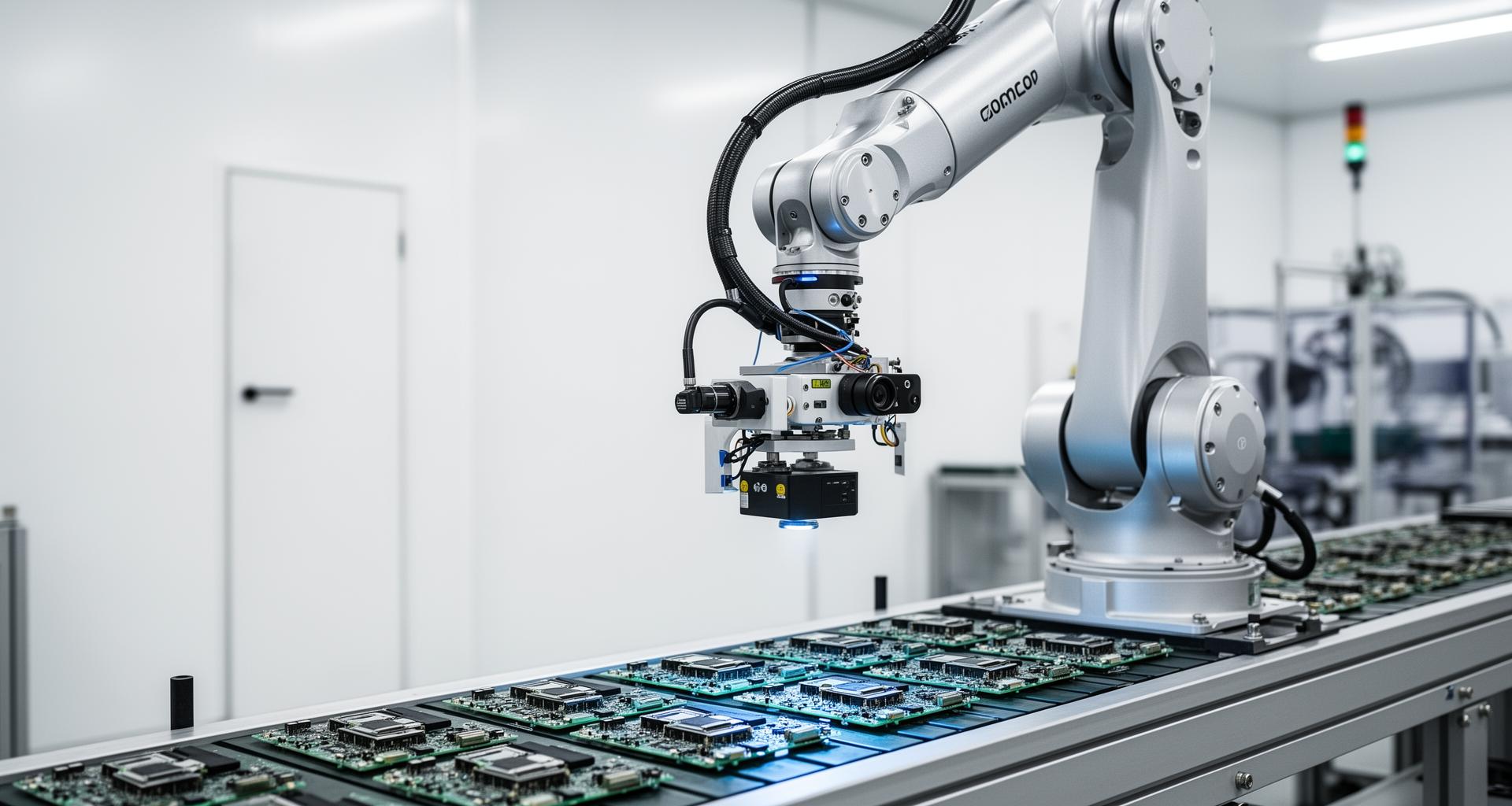
robot-vision-integration

Robot Vision Integration

Guidance systems for bin picking, assembly verification, and wafer handling. Acquisition → Preprocessing → Coordinate Transformation → Execution, delivered with sub-pixel accuracy on collaborative and industrial arms.
02

Outdoor & Harsh Environments


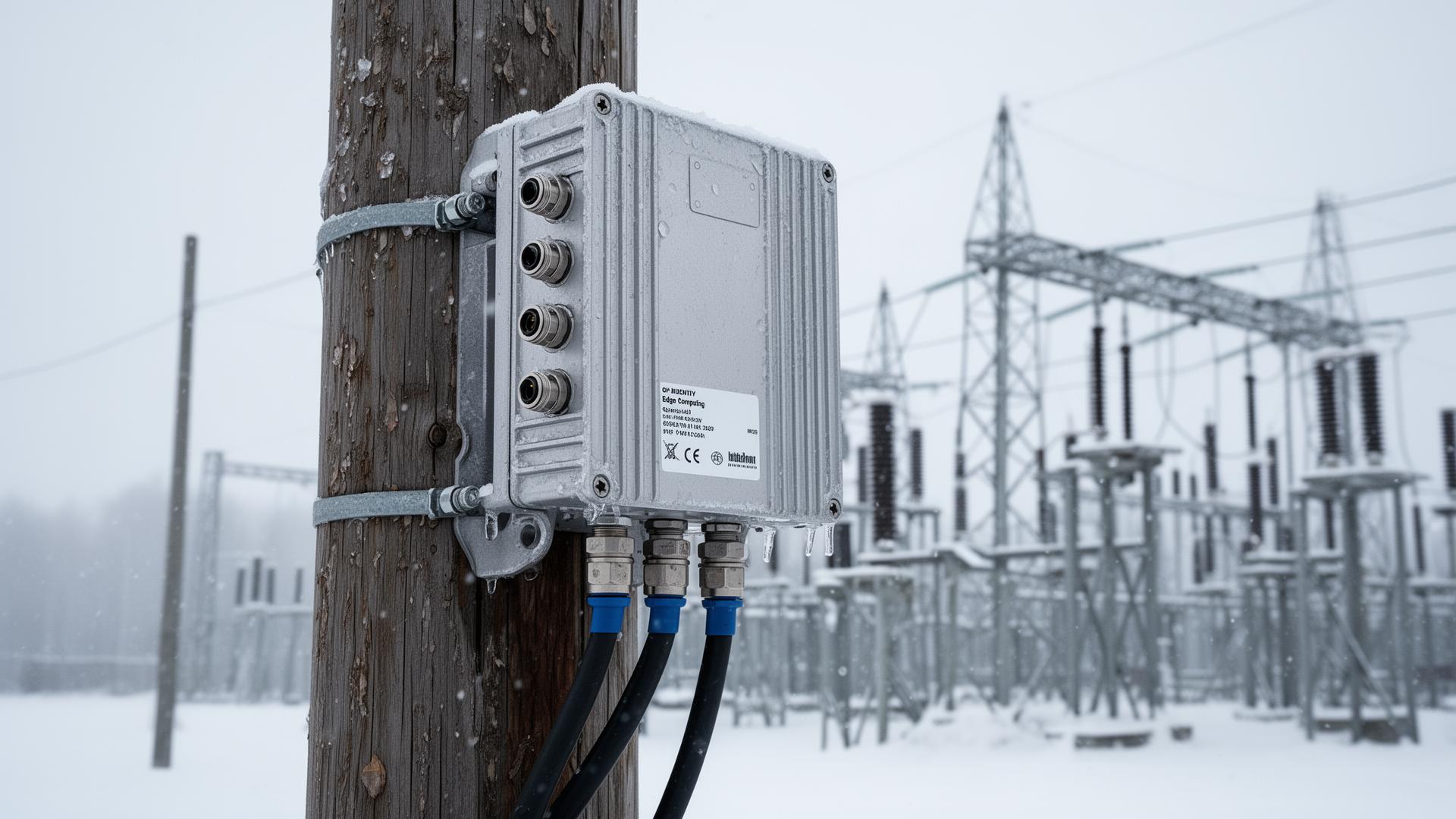
Unattended deployment where nobody can reach the box. −40°C to +80°C swings, water ingress, surge events, and multi-year service intervals define the design envelope.

−40°C to +80°C fanless operation
IP65 sealing + aviation connectors
2.5KV-4KV isolated I/O, surge protected
5G / Wi-Fi 6 remote management
outdoor-edge-sensing

All-Weather Outdoor Edge Sensing

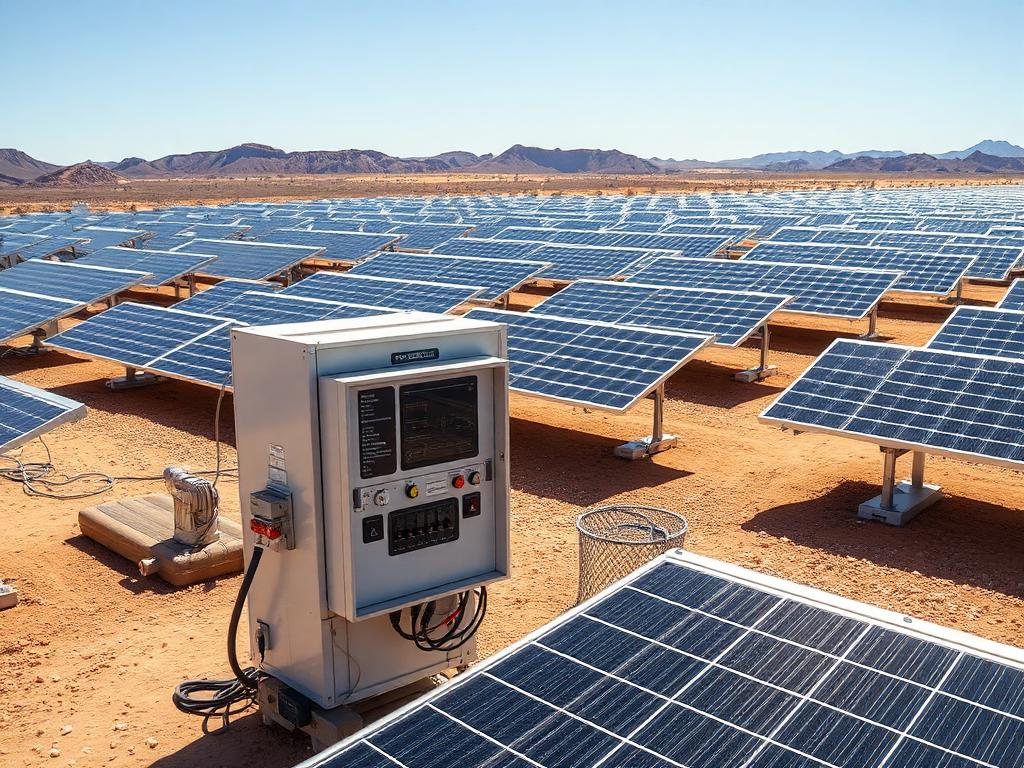
Traffic monitoring, perimeter security, and remote video analytics nodes. Passive cooling removes the fan as a failure point, while NPU inference and 5G backhaul enable maintenance-free operation in the open air.
outdoor-edge-solar-farm

Energy & EV Charging Infrastructure

Substations, PV/storage sites, and EV charging networks run 7–10 year validation cycles. Cross-generation compute plus 2.5KV isolated ports firewall the interfaces against surge, ground loops, and platform EOL risk.
Industrial ODM Custom IP65 Panel PC

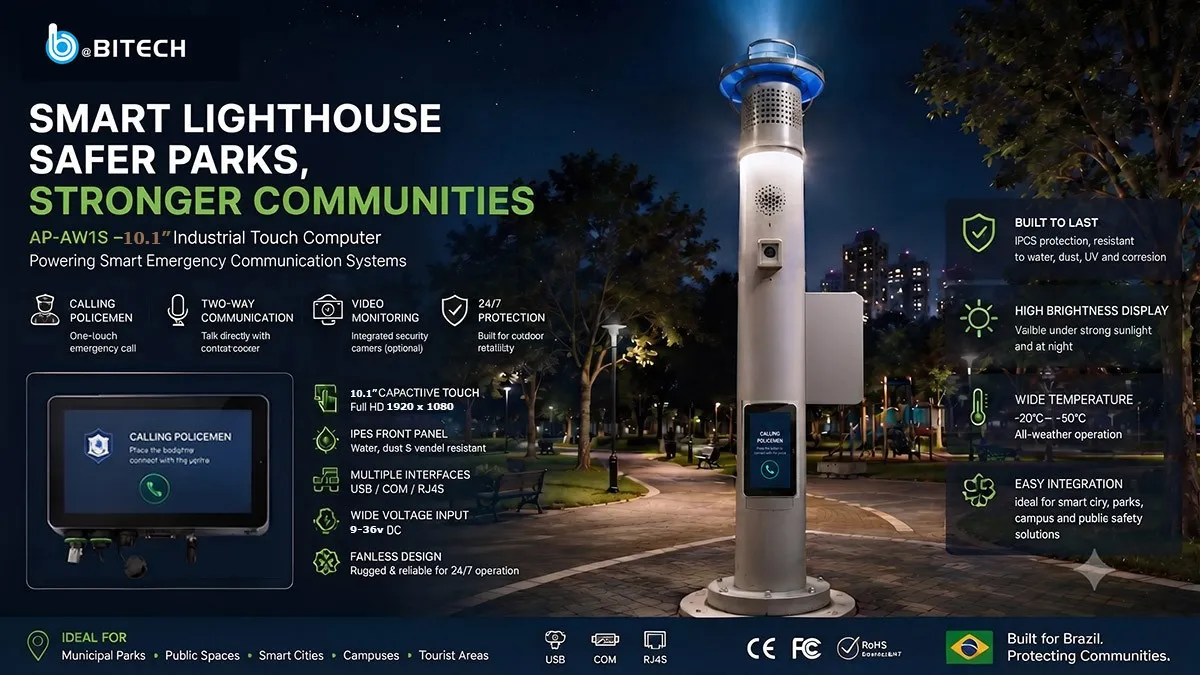
Industrial ODM — Custom IP65 Panel PCs

When no catalog product fits. The AP-AW1S case: a 10.1″ IP65 panel PC with sealed aviation connectors built for an outdoor municipal garden alarm system — requirement to production hardware, end to end.

03

Factory & Process


Inside the plant the constraint shifts from survival to throughput and traceability: deterministic latency under inference load, washdown chemistry, and per-unit process data that must reconcile with MES.

Deterministic latency under GPU/NPU load
Conformal coating for humidity/washdown
Multi-camera high-bandwidth ingress
MES / SPC traceability interfaces
machine-vision-AOI-system

Machine Vision & AOI Systems

Multi-camera optical inspection for PCB assembly, wafer, and precision components. Scalable GPU/NPU compute absorbs high-resolution streams without frame loss or thermal throttling during continuous production.
food-processing-washdowm

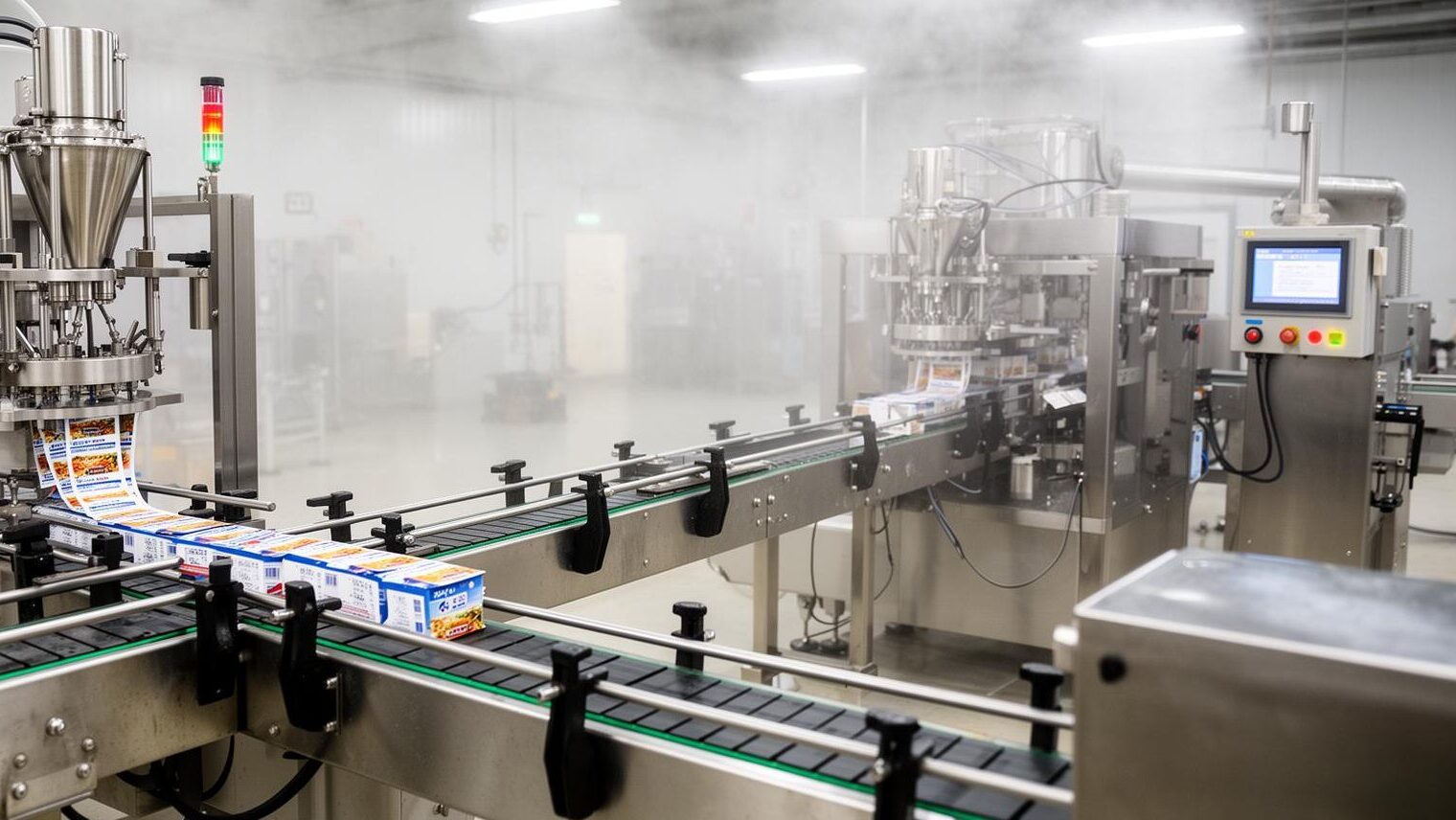
Food Processing & Washdown

Filling lines, labeling, and packaging automation in high-humidity areas. Conformal-coated mainboards and 4kV transient protection back closed-loop quality gates with checkweighers and metal detection.
ssb-pilot-battery-pilot-line

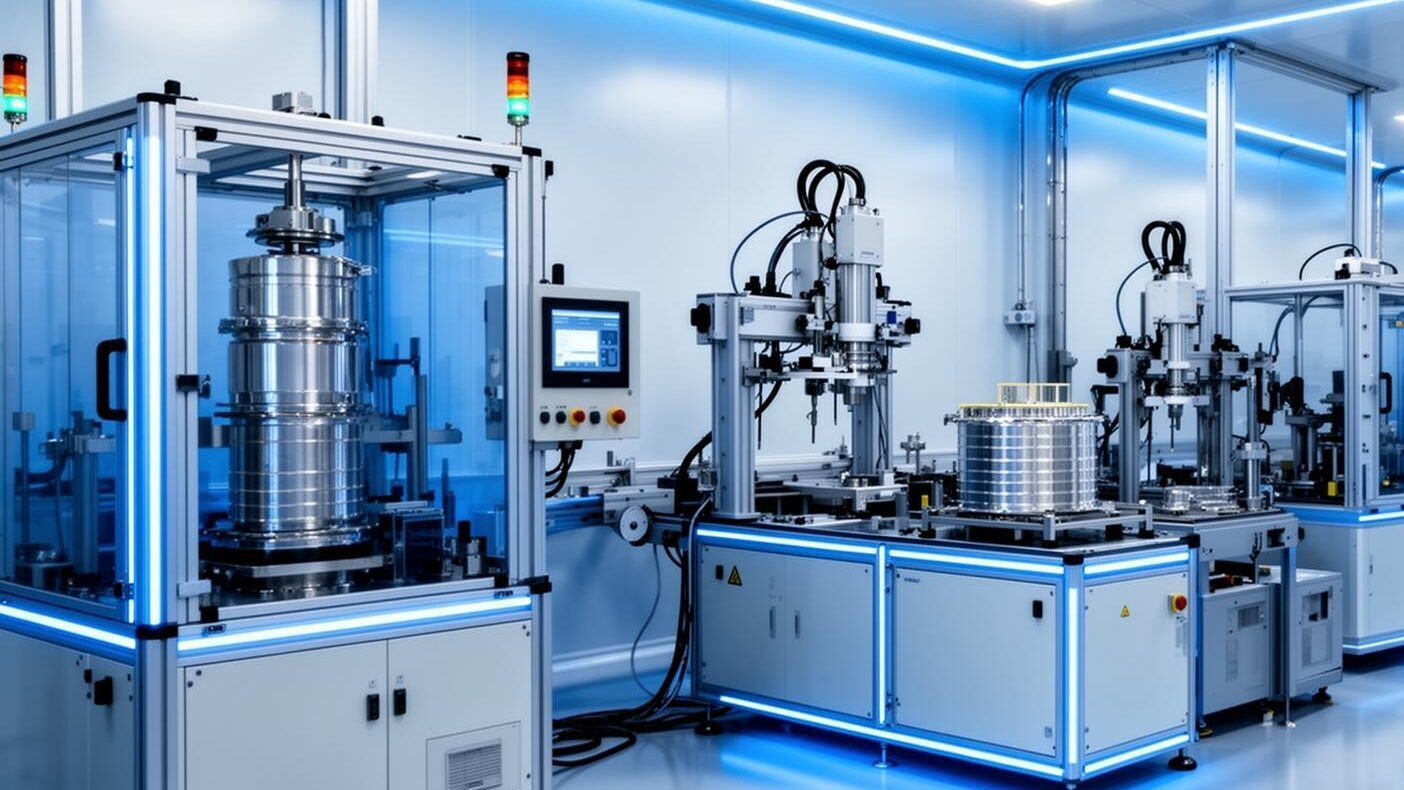
Solid-State Battery Pilot Line

Coating thickness monitoring and multi-axis stacking alignment for next-generation cell manufacturing. A hybrid IPC/PLC architecture carries R&D validation through to mass production with full MES traceability.
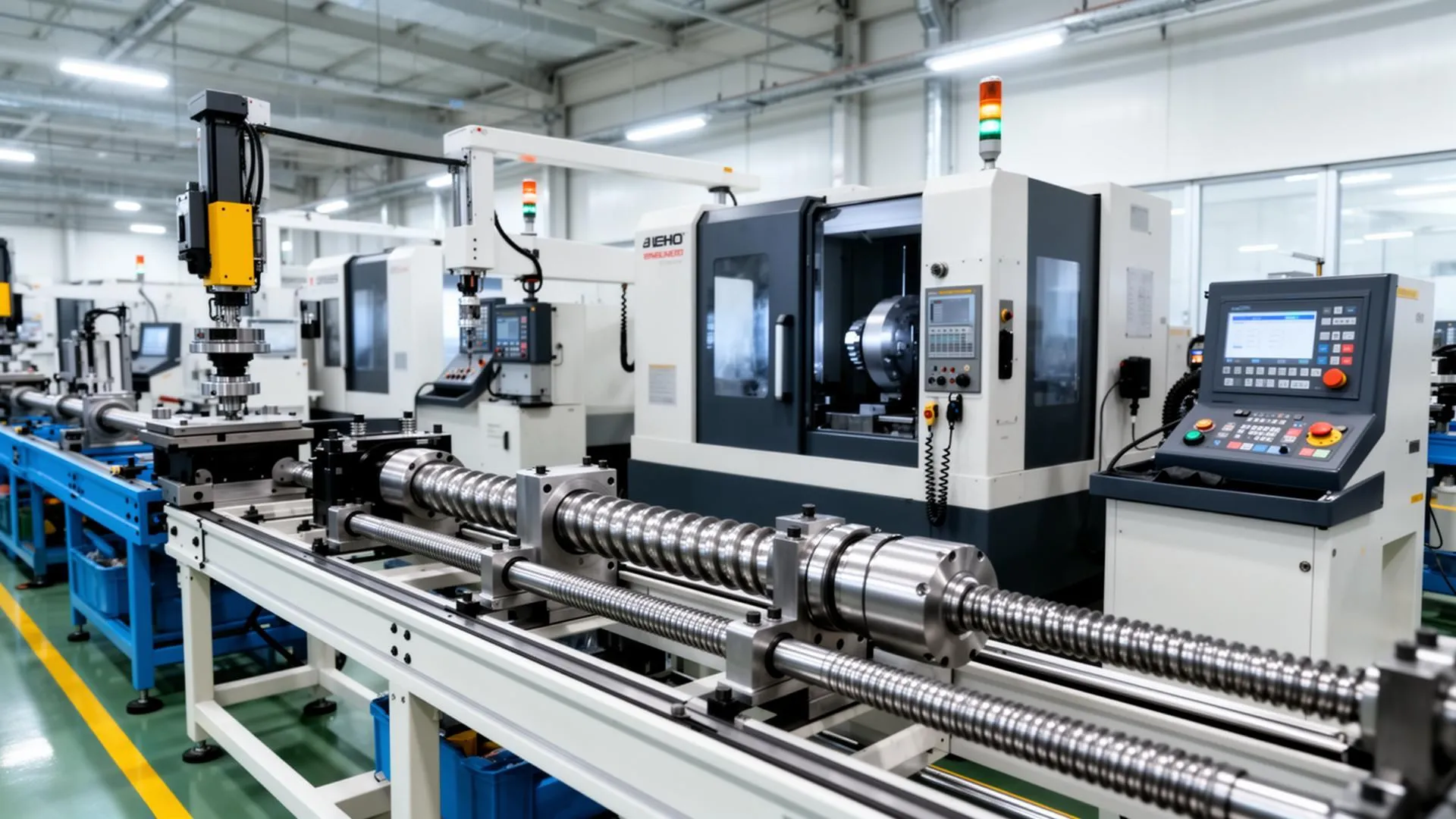
screw

Planetary Roller Screw Testing

End-of-line test and assembly station control for humanoid actuators. Curve-based acceptance on thrust force, axial backlash, and transmission efficiency, serialized per unit for production consistency.

Engineering Delivery You Can Depend On

We accelerate your productization with open assets and modular design.


Modular Customization (SOM Design Service)

Choose cross-generation-ready compute modules to keep your platform stable while roadmaps evolve.


Open Engineering Assets

Access 3D STEP models, BSP system images, and SDK documents to accelerate productization.


Reliability Validation & Compliance

Stress testing workflows and compliance-ready delivery help ensure stable long-term deployment.

What you will receive

  • A tailored architecture & edge compute recommendation
  • Integration checklist (interfaces + devices)
  • Reliable validation & compliance documentation 

Which solution fits your deployment?

Three questions integrators actually ask when scoping a project — grouped by where the hardware ends up.

Mobile & In-Vehicle

What do I need for an industrial PC to run reliably on a vehicle?
Four things, in order of what actually kills catalog IPCs on vehicles:

  1. Wide-range 9–36V DC input — not a 12V rail. Truck buses swing 8–32V under load; a fixed-voltage brick browns out.
  2. Ignition control with programmable on/off delay — so the PC doesn't drain the battery when parked and doesn't crash-restart on cranking.
  3. Transient protection to ISO 7637-2 and ISO 16750-2 — the load-dump and cranking pulses are what fry the input stage on the day of the first cold start.
  4. Isolated CAN and RS-485 for the vehicle bus — ground potential differences between chassis grounds are real.

The AX-234BT and vehicle configurations cover all four as a single spec, not four separate add-ons.

Deep dive: Powering an Industrial PC in a Vehicle →

RK3588 or Jetson Orin for an AMR: which do I actually need?

The camera setup usually decides, not the TOPS number.

Jetson Orin NX (AE-NJ60BT) — 4 or more cameras cabled across a moving chassis, ROS2 + Isaac ROS stack, VSLAM or multi-object tracking. GMSL2 ingress (~15 m over coax) solves what MIPI and USB cannot.

RK3588 (AE-3588LBT) — simpler AMR on a fixed route, 1–2 cameras, stable model, cost per unit matters across a fleet.

Both run fanless, both support isolated CAN. The wrong choice usually shows up as GMSL2 gap or RKNN toolchain overhead 3 months into the project.

Full framework: RK3588 vs Jetson Orin for Multi-Camera Vision and AMR →

Do I need a rugged tablet or a box PC plus a display for a mobile setup?

Depends on who touches it and how.

Box PC + external display — when the operator interface is mostly fixed (mounted screen in a truck cab, HMI on an AGV), and compute needs to survive vibration in a location the operator does not reach.

Rugged tablet — when the same operator carries the interface between vehicles or workstations, when hands-free bar-code / RFID scanning is part of the workflow, or when the deployment involves outdoor field service.

The reliability engineering (fanless, sealed, wide-temp) is similar on both form factors; the difference is what happens in the operator's hand.

How do I run isolated CAN and non-isolated CAN on the same vehicle?

They serve different networks and should stay physically separate.

Isolated CAN — use it on the powertrain bus, motor drives, and any CAN that crosses vehicle chassis segments. The 4000V isolation barrier stops ground potential differences and switching transients from cascading into the compute.

Non-isolated CAN — fine for a low-noise sensor sub-network with a shared local ground (a mast-mounted sensor cluster, an in-cabin telemetry loop). Lower latency, lower cost per port.

BITECH platforms typically ship with 2 CAN FD ports so you can dedicate each to its own network rather than compromising with a single mid-tier isolation level.

Guide: Isolated vs Non-Isolated I/O →

Outdoor & Harsh Environments

What IP rating do I actually need for an outdoor deployment?

Match to the failure mode, not the marketing number.

  • IP65 — sealed against dust and low-pressure water jets from any direction. Enough for outdoor cabinets, roadside enclosures, and covered outdoor installations.
  • IP66 — sealed against powerful water jets (fire hose level). Needed for exposed marine, vehicle roof, or driven-rain locations.
  • IP67 — sealed against temporary immersion (1 m for 30 min). Needed only if the enclosure will actually be submerged.
  • IP69K — sealed against 80°C high-pressure steam cleaning. Needed for food and pharma washdown, not for weather.

Overspecifying costs money on the enclosure design and often forces aviation connectors that limit I/O layout. Match the number to the actual failure you're preventing.

When is fanless -40°C to +80°C actually required?

Three deployment realities push you into the wide range:

  • Unheated outdoor enclosures in continental or high-altitude climates — overnight temperatures can hit -30°C or lower, and the PC must boot cold in the morning.
  • Sun-loaded sealed cabinets — direct sun on a black steel cabinet in a hot climate pushes internal air well above 60°C even with modest ambient.
  • Vehicle engine bays and rooftop installations — radiated heat plus solar plus enclosed volume.

If your deployment is indoors with HVAC or in a shaded outdoor location in a temperate climate, -20°C to +60°C is usually enough and cheaper. Do not overspecify the temperature range for a rooftop that never sees direct sun.

How do you protect an industrial PC in a medium-voltage substation?

The threat is not the operating voltage — it's the transients when equipment switches, and the ground potential differences between the switchgear and the control room.

The BITECH energy configuration uses 4000V galvanic isolation withstand on every field-facing interface (CAN, RS-485, DIO). This creates an electrical firewall between the substation ground and the compute core, so a surge on the field side does not cascade into the CPU.

Combined with wide-temperature fanless construction and Fixed BOM Control for 10+ year availability, a single deployment can outlast the switchgear it monitors.

Deep dive: Industrial PC Galvanic Isolation →

When does an outdoor project need custom ODM instead of a catalog panel PC?

Usually the trigger is connectors, not the mainboard.

A catalog panel PC gives you IP65 on the front panel and standard connectors on the back — USB-A, RJ45, DB9. Those connectors break the seal. Field-service technicians unplug them, moisture gets in, corrosion follows.

ODM makes sense when you need aviation (M12/M8) connectors integrated into the sealed enclosure, when the customer's mounting requires a non-standard bracket or cutout, or when the alarm/output loop needs an interface the catalog doesn't offer. Our AP-AW1S ODM (10.1" IP65 panel PC for a municipal garden alarm system) is one example — the customer's real requirement wasn't a display, it was a sealed I/O that would survive 5 years outdoors.

See the case: Industrial ODM →

Factory & Process

How do I aggregate 4+ cameras for a high-speed AOI line?

The bottleneck is rarely the CPU or the model — it's camera ingress and network fabric.

For GigE Vision cameras with cable runs under a metre inside a fixed inspection cell, use an 8-port 2.5GbE aggregator (AX-320BT) with LACP link aggregation and isolated serial for triggering.

For cable runs beyond a metre or moving cameras, switch to GMSL2 on Jetson Orin (AE-NJ60BT) — up to 4 cameras over coax, deterministic sync, no host-side USB bandwidth limits.

Choose ingress first, then the CPU / GPU. A wrong ingress choice cannot be firmware-fixed.

Compare: GMSL2 vs GigE Vision →

Is conformal coating enough for a washdown environment?

Coating protects the PCB from condensation and mist; it does not seal the enclosure.

For a genuine washdown line (food, pharma, packaging with high-pressure water) you need both:

  • IPC-CC-830B silicone conformal coating (26–38 µm) on the populated PCB, applied after DVT — protects against condensation and salt-fog corrosion even if the enclosure is briefly compromised.
  • IP65 or IP69K enclosure depending on cleaning process, plus sealed connectors on every I/O.

Coating alone is not enough for direct water contact. Enclosure alone is not enough for the long-term condensation that always finds its way past a gasket. Both together give a system that survives 24/7 washdown operation.

Guide: Conformal Coating →

What is the right platform for multi-axis motion and DAQ integration?
Three platform tiers for motion / DAQ work:

  • Small integration (1–2 motion cards or DAQ boards) — AX-520EBT with mixed PCI + PCIe slots. Lets you migrate a validated PCI card to a modern OS without redesigning the whole system.
  • Dense integration (3+ PCI cards, high channel count) — AX-530EBT with 3 PCI + 1 PCIe x4. Built for the "many cards, high slot count" case.
  • Modern fieldbus + AI acceleration — AX-660EBT with 12th Gen Core, dual CAN and PCIe x4 for a GPU or Hailo-8. Bridges legacy add-in workloads with modern compute.

Slot count, card generation and thermal envelope decide the tier — not the CPU headline number.

How do I keep an industrial line running when a component goes end-of-life?

You cannot prevent silicon EOL; you can prevent it becoming your problem.

Fixed BOM Control locks the exact component list after DVT — no silent substitutions. When an unavoidable component change is coming, we issue a formal PCN (Product Change Notification) at least 6 months in advance with a last-time-buy window. That gives you time to place buffer stock, re-validate the changed part, or plan migration to the successor platform.

For customers running "Copy Exactly" processes (semiconductor fabs, pharma), we maintain platform-specific compatibility records and controlled release notes so your qualification does not need to restart from scratch.

Policy: Lifecycle Management →

Next Step

Ready to architect your
next deployment?

Stop wrestling with hardware bottlenecks. Tell us your specific scenario, thermal constraints, and I/O requirements. Our engineering team will map out a deterministic compute path tailored to your project.

  • 48-Hour Technical Turnaround
  • Direct Access to L3 Engineers
Request Architecture Review
Strictly Confidential & No-Obligation
Scroll to Top
POPUP Form

Contact Us